








PCOS (Polycystic ovarian syndrome) is a common hormonal disorder in women of their reproductive age. It is characterized by high levels of androgen (male hormone), irregular menstruation, and a large number of small ovarian cysts. PCOS also leads to uncontrolled weight gain, skin acne, premature hair loss, infertility issues, and many more.
The underlying cause of PCOS is a hormonal imbalance. In this syndrome, the ovaries produce more androgens than normal. This disrupts the natural ovulation process and results in irregular or nonexistent periods. Other causes like genetics, insulin resistance, and lifestyle decisions also contribute to PCOS to become more dangerous.
PCOS is not fully curable actually, but can be controlled with proper lifestyle maintenance. Physical activity and diet play a crucial role of course. Yoga is a natural treatment that reduces PCOS symptoms effectively. Certain yoga asanas like Dhanurasana, Bhujangasana, and Supta Baddha Konasana, aid in hormone regulation and reproductive organ stimulation. Yoga helps with weight management, stress reduction, hormone balance restoration, and improved insulin sensitivity. This blog recommends 10 amazing yoga asanas that can ease your PCOS symptoms. Read till the end!
Yoga Asanas for POCS
Supta Baddha Konasana (Reclining Bound Angle Pose)
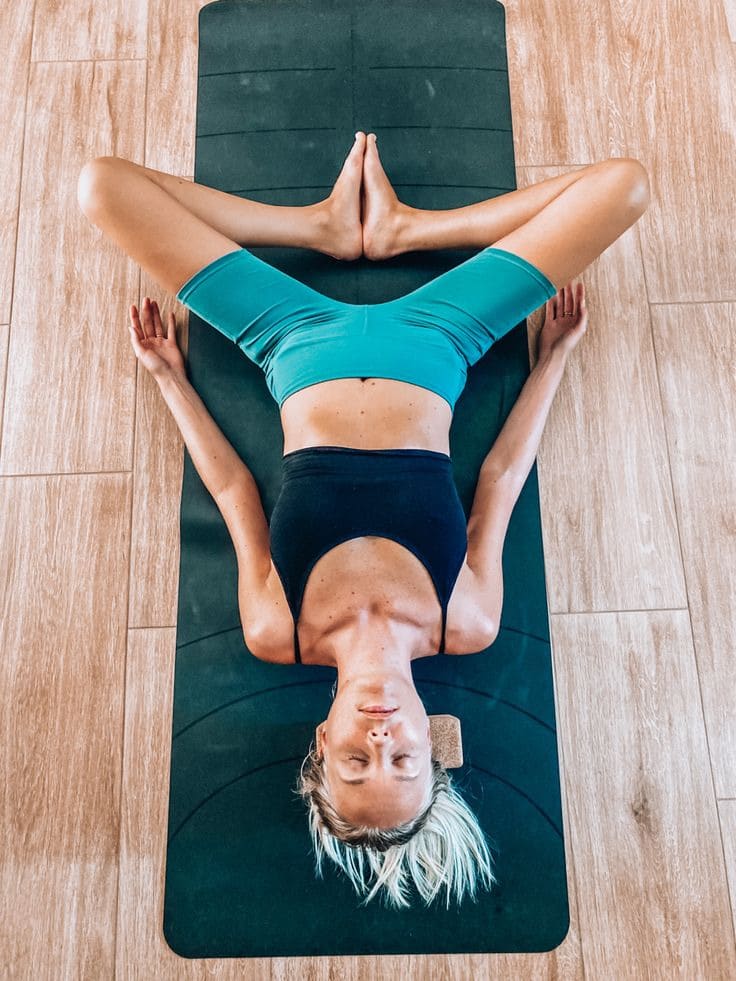
Lie on your back, bend your knees, and bring the soles of your feet together. Let your knees drop to the sides. Place your arms relaxed beside your body. Breathe deeply and hold for 3–5 minutes.
How it benefits: Stimulates ovaries and reduces stress, aiding hormonal balance.
Bhujangasana (Cobra Pose)
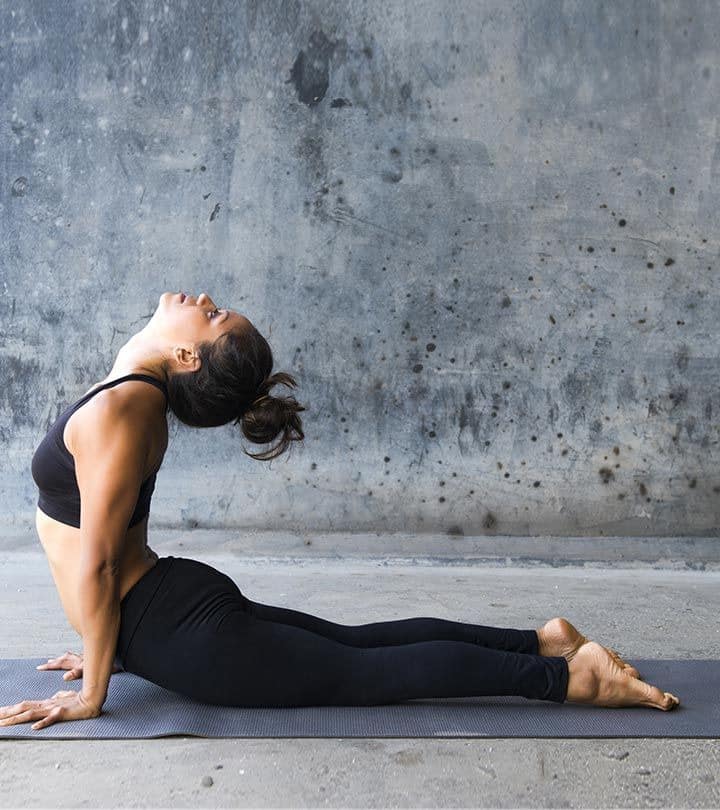
Lie on your stomach, place palms under shoulders, and slowly lift your chest while keeping elbows slightly bent. Gaze forward or slightly upward. Keep legs and pelvis grounded. Hold for 15–30 seconds.
How it benefits: Boosts ovarian function and relieves menstrual irregularity.
Dhanurasana (Bow Pose)
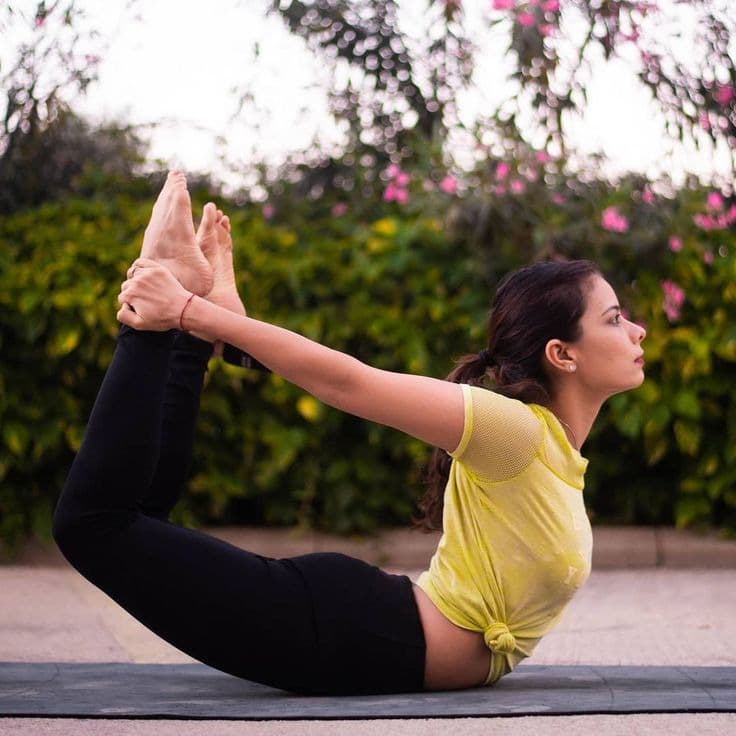
Lie on your stomach, bend knees, and hold your ankles. Inhale and lift your chest and legs, pulling ankles upward. Keep breathing while balancing on your abdomen. Hold for 15–20 seconds.
How it benefits: Stimulates reproductive organs and boosts metabolism.
Setu Bandhasana (Bridge Pose)
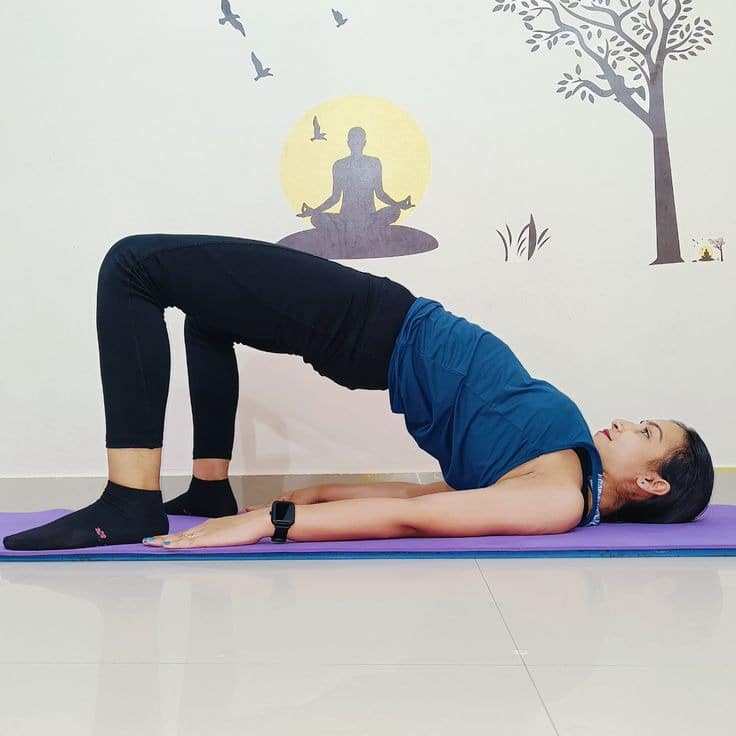
Lie on your back, bend knees, and place feet hip-width apart. Press feet and arms into the ground to lift hips upward. Interlock fingers under your back and hold for 30–60 seconds.
How it benefits: Supports thyroid function and improves insulin sensitivity.
Naukasana (Boat Pose)

Lie flat, then simultaneously lift legs and upper body at a 45-degree angle. Keep arms straight, reaching toward toes. Engage core muscles. Hold for 15–30 seconds, then release slowly.
How it benefits: Reduces belly fat and stimulates ovarian health.
Paschimottanasana (Seated Forward Bend)
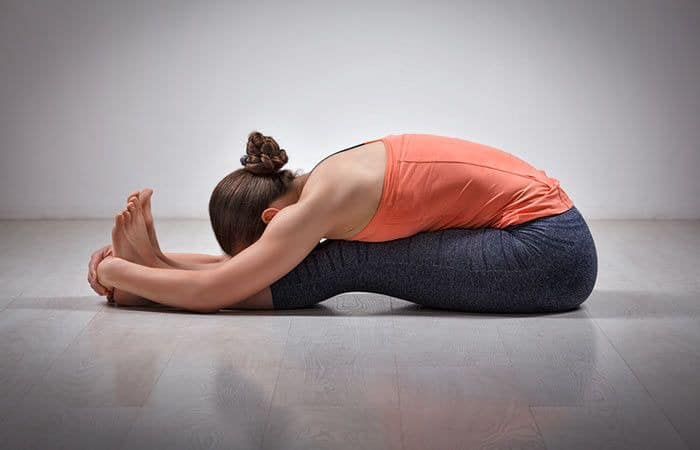
Sit with legs extended, spine tall. Inhale and lengthen, then exhale and reach forward toward toes. Hold feet or ankles and keep the back relaxed. Breathe deeply while holding for 30–60 seconds.
How it benefits: Calms mind and balances endocrine glands.
Malasana (Garland Pose)
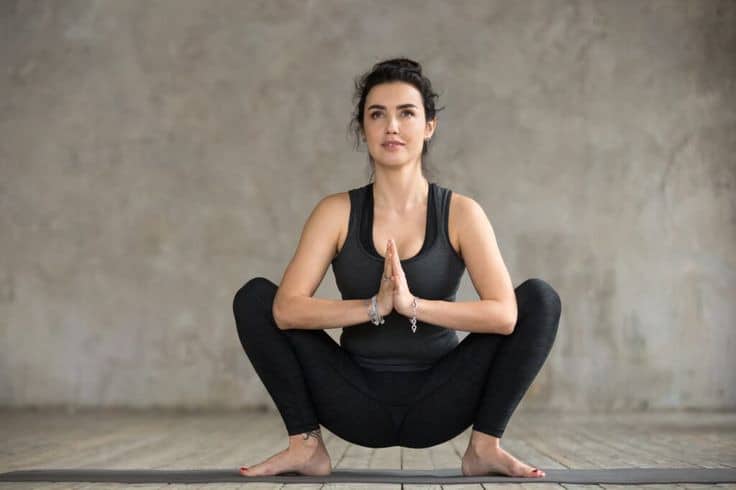
Stand with feet wide apart, squat deeply, bringing hips close to the ground. Keep spine straight and palms together in prayer position at the chest. Press elbows against knees gently.
How it benefits: Enhances pelvic flexibility and menstrual regularity.
Shavasana (Corpse Pose)
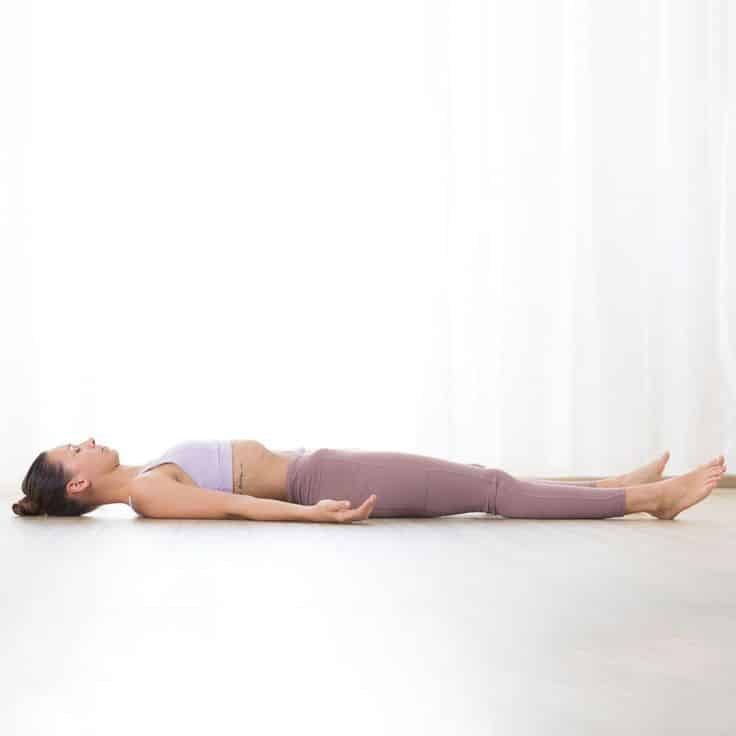
Lie flat on your back with arms and legs comfortably spread. Close your eyes, relax each body part, and breathe naturally. Stay still for 5–10 minutes for complete relaxation.
How it benefits: Lowers stress hormone and promotes hormonal balance.
Ardha Matsyendrasana (Half Lord of the Fishes Pose)
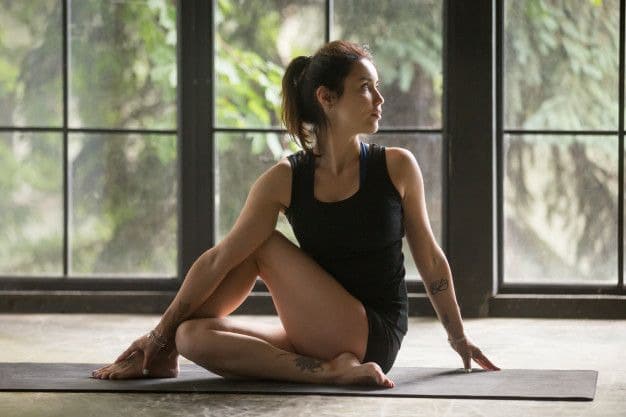
Sit with legs extended, then bend the right knee and cross it over the left leg. Twist your torso to the right, placing the right hand behind and left elbow outside the knee. Hold and repeat on the other side.
How it benefits: Improves digestion and detoxifies reproductive system.
Ustrasana (Camel Pose)

Kneel on the mat with knees hip-width apart. Place hands on the heels, arch the back, and push hips forward while lifting the chest. Gaze upward and hold the pose briefly.
How it benefits: Stimulates reproductive organs and balances hormones.
Conclusion
Yoga offers a natural approach to PCOS management. Women who regularly practice certain asanas can improve their reproductive health, lower stress levels, and manage their hormones. These positions improve insulin sensitivity, increase metabolism, and promote ovarian function.
According to studies, yoga can improve insulin resistance, reduce cortisol levels, and ultimately lessen PCOS symptoms. Apart from its physical advantages, yoga cultivates emotional fortitude and mindfulness, two traits that are critical to long-term health. Yoga signifies the unification of the consciousness of the universe with the consciousness of the inner self. It is medium of the merger of mind, body and spirit.
Women with PCOS can naturally take charge of their health by including yoga into their daily routines. This will lessen their need for medicine and enhance their general quality of life. For PCOS patients, this gentle approach promotes equilibrium, wellness, and long-term recovery.


