








What is Suryanamaskar?
Suryanamaskar is the Sun Salutation or saying ‘Hello’ to the Sun God, Suryanarayan. It is a combination of some particular yoga asanas, but it is much more than just physical exercises. This beautiful sequence consists of 12 yoga poses that are all done in time with your breathing. In Suryanamaskar steps, breathing and exercise work together to create a complete experience that is beneficial to both the body and the mind.
The literal meaning of “Surya Namaskar” is Salutation to the Sun, because the sun is seen to be the source of all life and energy. So, it is performed at sunrise as a sign of respect and thanks. It also fosters a spiritual bond between the practitioner and the natural world.
Suryanamaskar has a long history and is a superb cardiovascular exercise. By strengthening, stretching, and energizing the entire body, the 12 steps of Suryanamaskar seek to improve posture, flexibility, and mental clarity.
To optimize the advantages, it is recommended to perform ideally without eating in the morning or after waking up. In addition to enhancing physical health, regular Suryanamaskar step by step practice enables one to stop, reflect, and silently express gratitude to the universe.
12 steps of Suryanamaskar
1. Pranamasana (Prayer Pose)
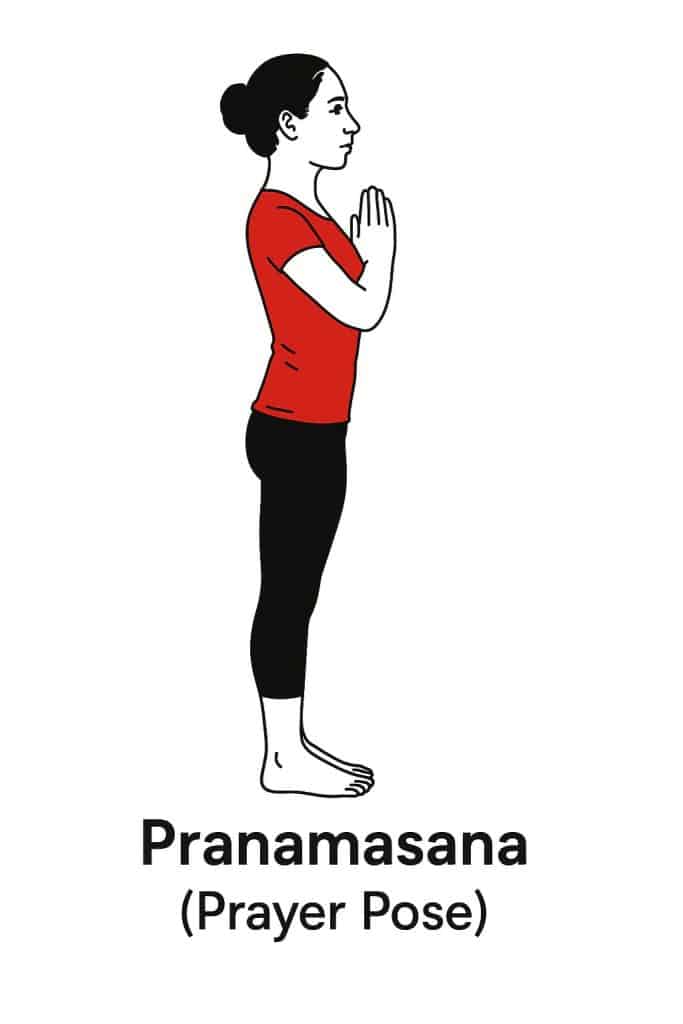
- Technique: Stand upright with feet together, palms joined in front of the chest in a prayer position. Keep the spine erect and relax the shoulders.
- Breathing: Inhale deeply.
- Benefits: Promotes mental focus, calms the nervous system, and prepares the body for the sequence.
2. Hasta Uttanasana (Raised Arms Pose)
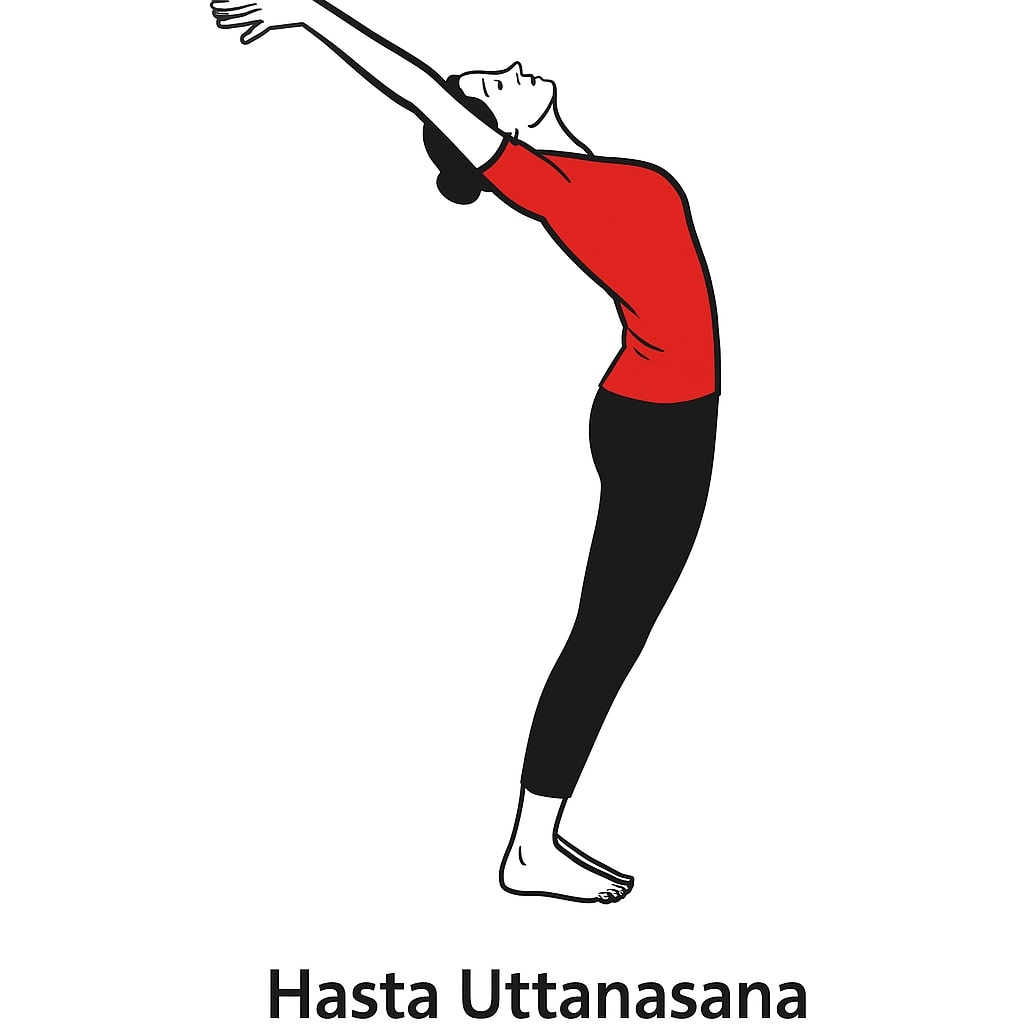
- Technique: Inhale and raise the arms overhead, arching the back slightly and stretching the whole body upward.
- Breathing: Inhale.
- Benefits: Stretches the chest and abdomen, improves digestion, and expands lung capacity.
Also Read: Best Yoga Mat Brands
3. Padahastasana (Hand to Foot Pose)
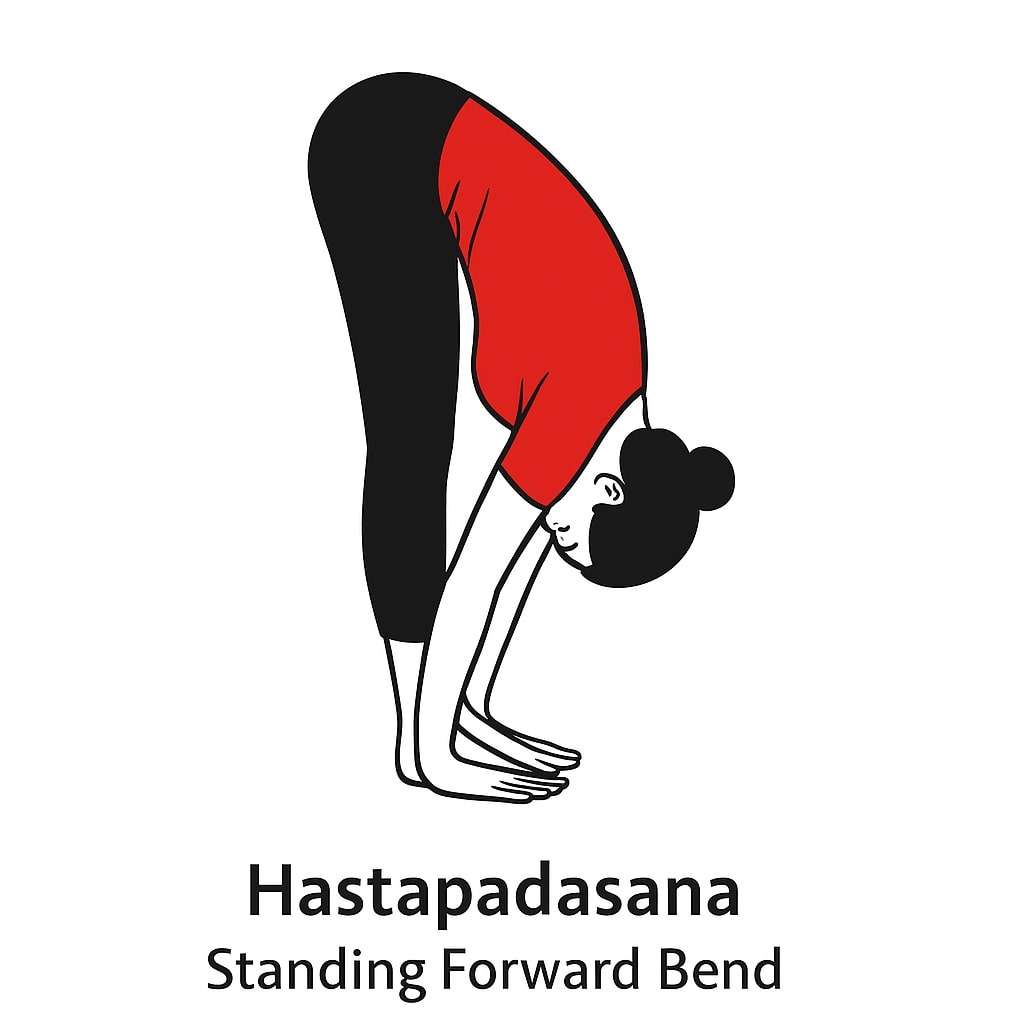
- Technique: Exhale and bend forward from the hips, keeping the spine straight, and place the hands beside the feet.
- Breathing: Exhale.
- Benefits: Enhances flexibility of the spine and hamstrings, stimulates abdominal organs, and aids in digestion.
Also Read: Gym Near Me
4. Ashwa Sanchalanasana (Equestrian Pose)
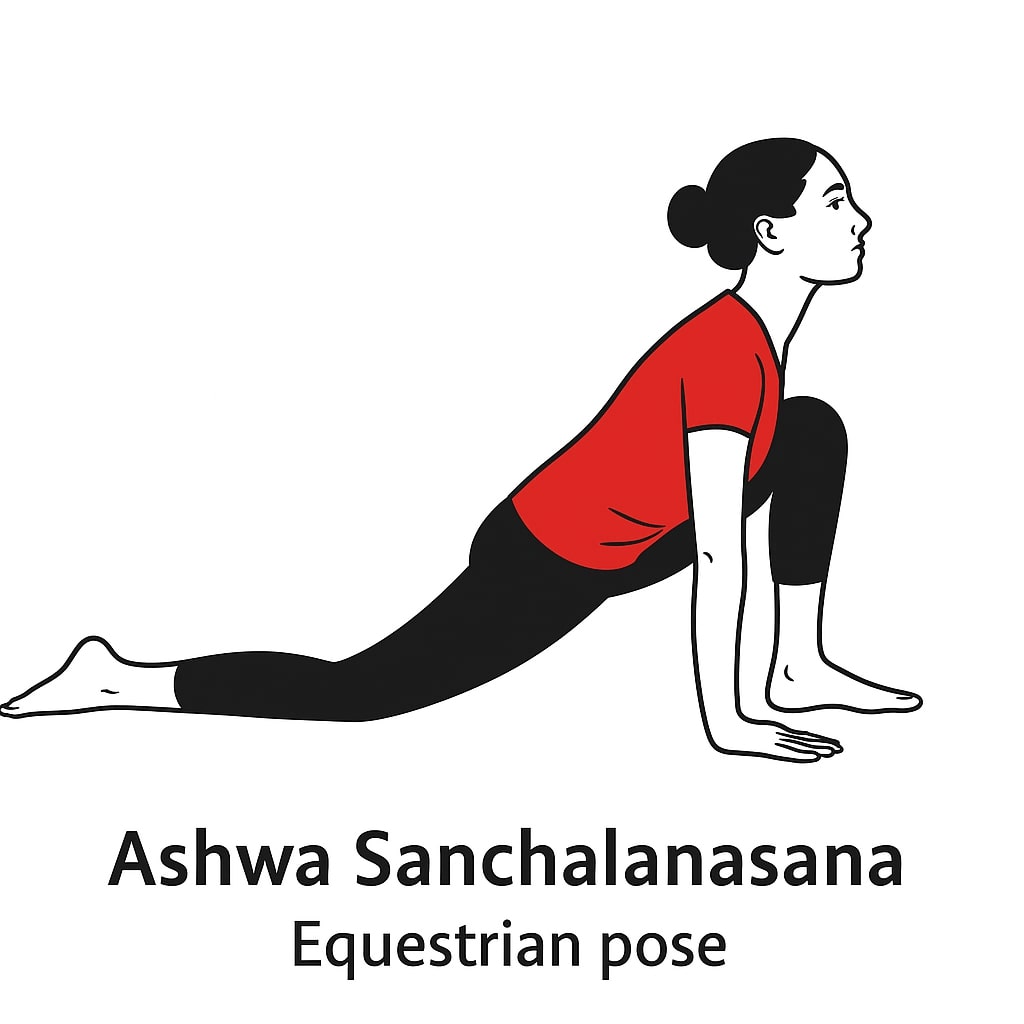
- Technique: Inhale and step the right leg back, placing the knee on the floor, and look upward.
- Breathing: Inhale.
- Benefits: Strengthens the spine and legs, improves balance, and opens the chest.
5. Dandasana (Stick Pose)

- Technique: Exhale and take the left leg back, bringing the body into a straight line, supported by hands and toes.
- Breathing: Exhale.
- Benefits: Builds core strength, tones the arms and legs, and improves posture.
Also Read: International Yoga Day
6. Ashtanga Namaskara (Salute with Eight Parts)
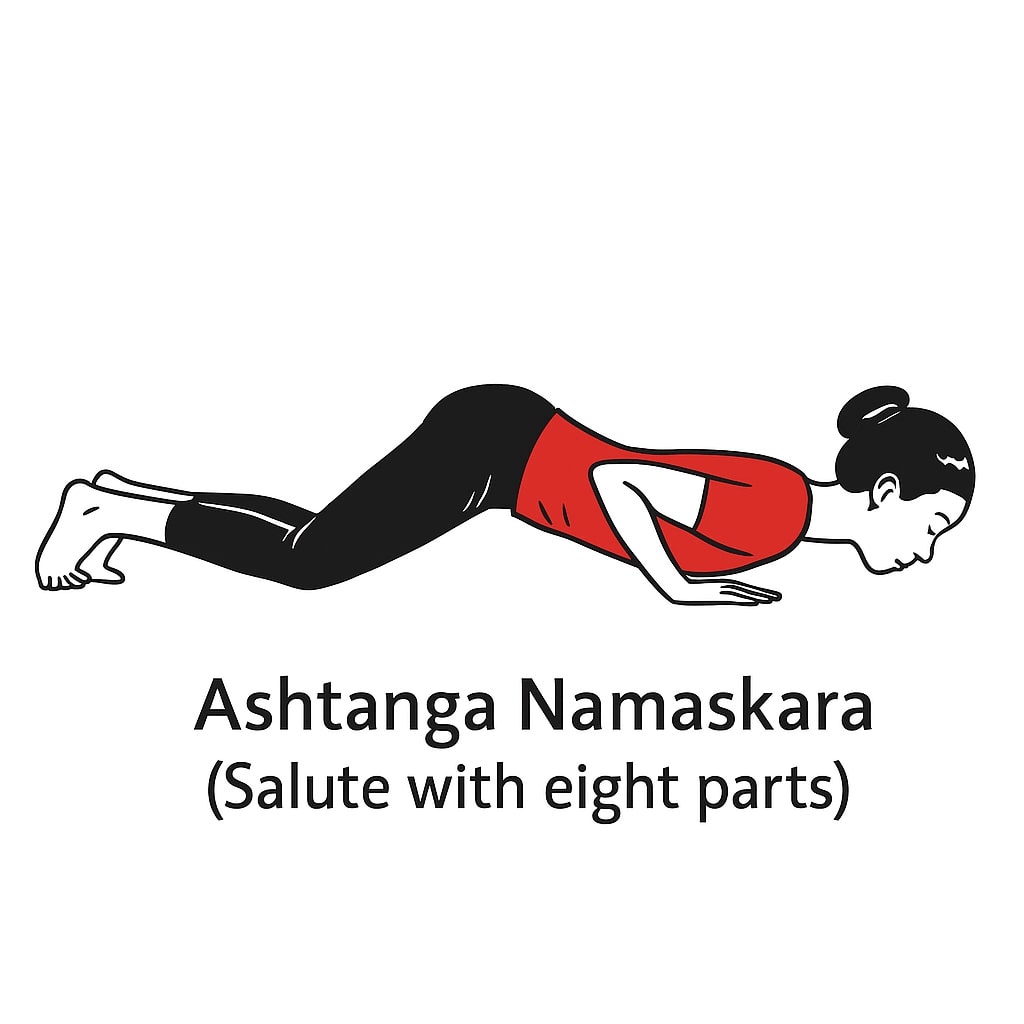
- Technique: Lower the knees, chest, and chin to the floor, keeping the hips slightly raised.
- Breathing: Hold your breath.
- Benefits: Strengthens the arms and chest, increases flexibility of the spine, and prepares the body for the next pose.
7. Bhujangasana (Cobra Pose)
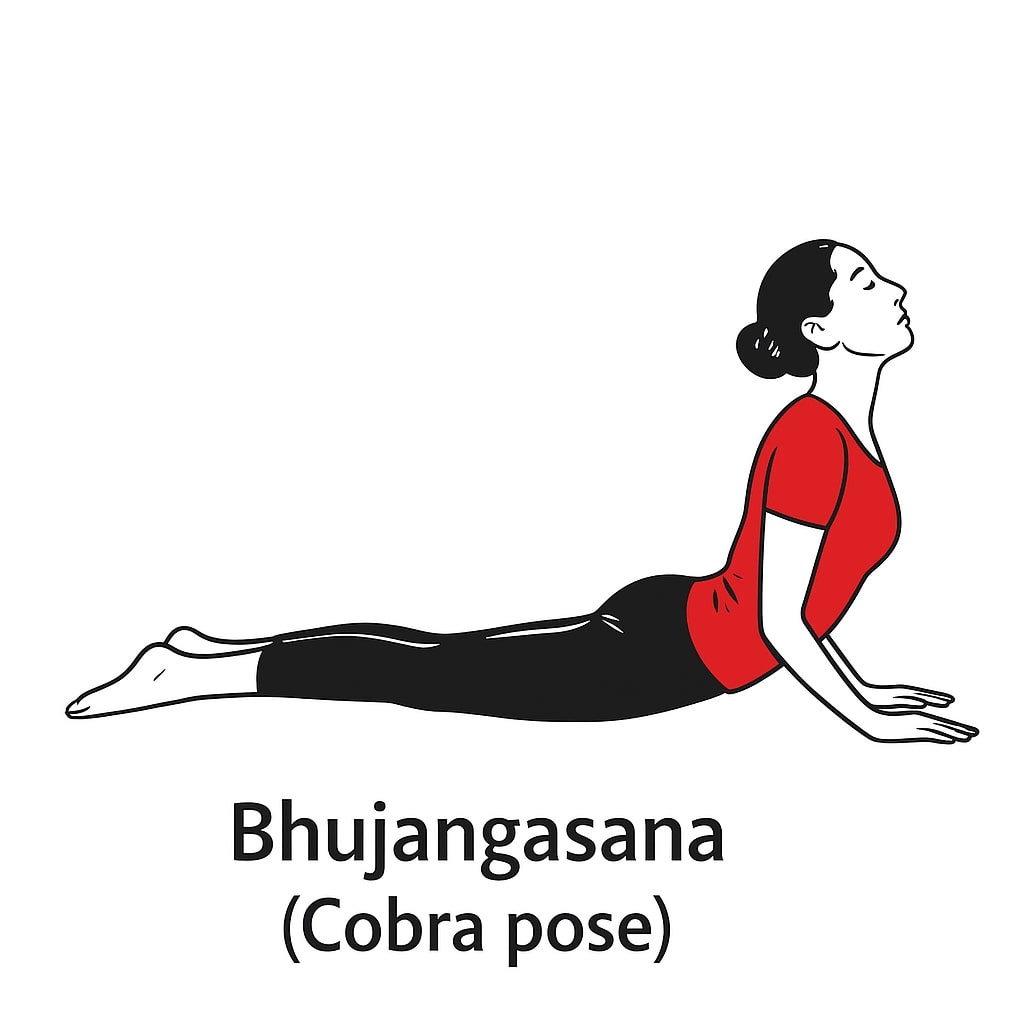
- Technique: Inhale and slide forward, raising the chest upward while keeping the elbows bent and close to the body.
- Breathing: Inhale.
- Benefits: Opens the chest, strengthens the spine, and relieves stress and fatigue.
8. Parvatasana (Mountain Pose)
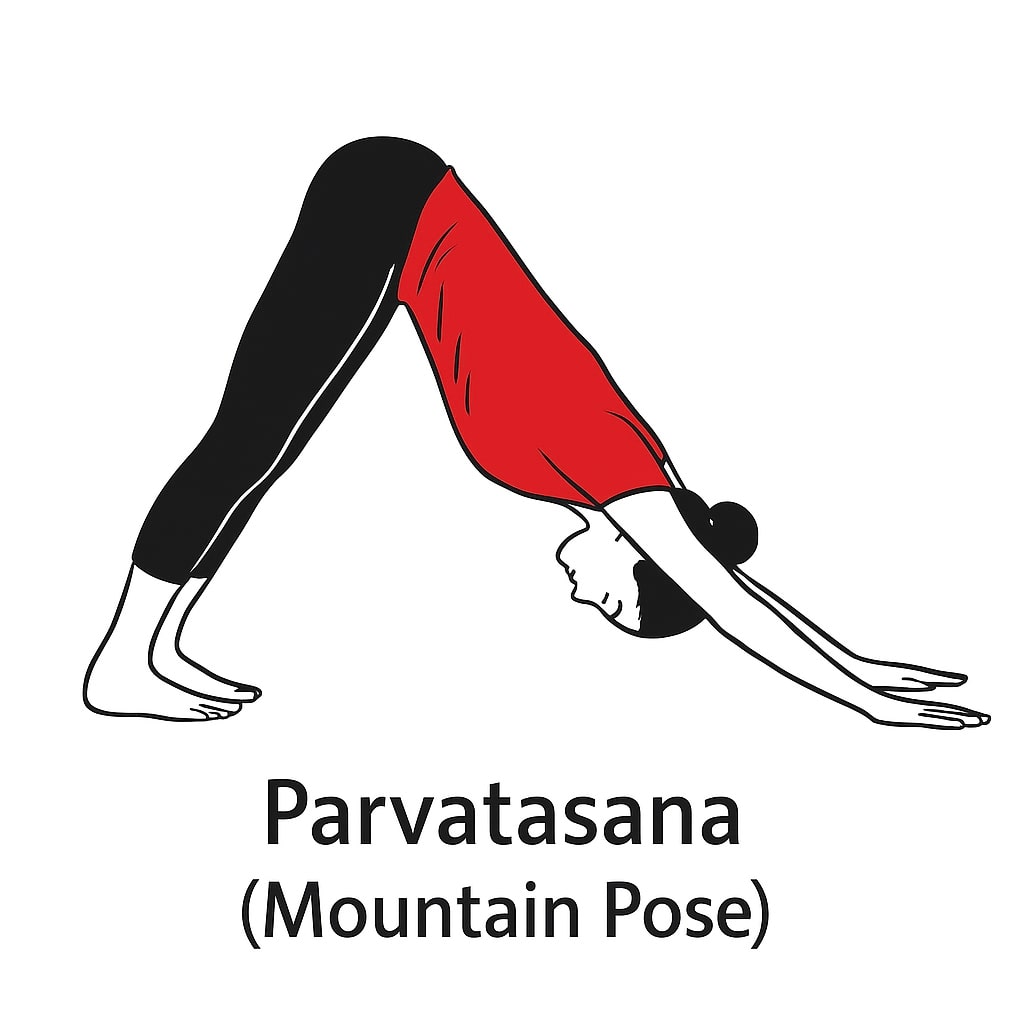
- Technique: Exhale and lift the hips, forming an inverted ‘V’ shape, keeping the heels on the ground and arms straight.
- Breathing: Exhale.
- Benefits: Stretches the spine and hamstrings, strengthens the arms and legs, and improves circulation.
9. Ashwa Sanchalanasana (Equestrian Pose)
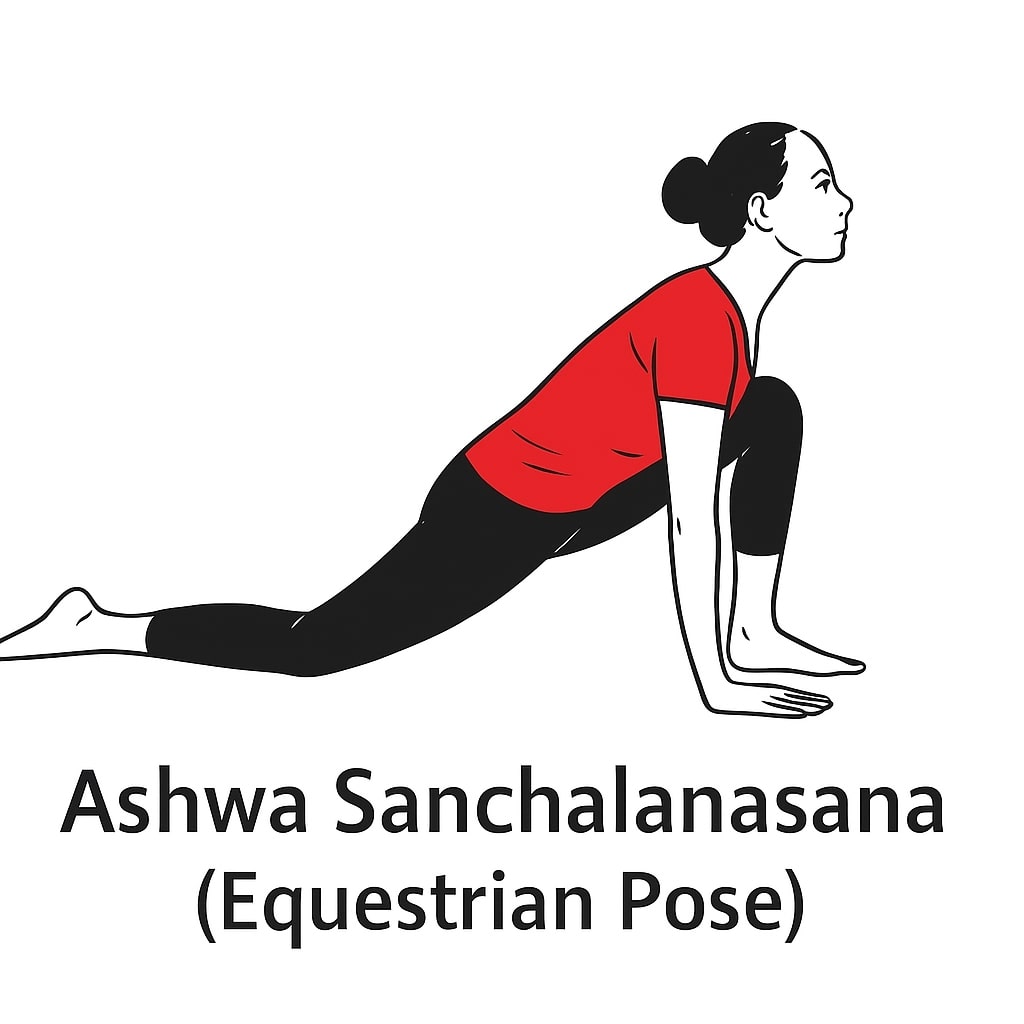
- Technique: Inhale and bring the right foot forward between the hands, placing the left knee on the floor, and look upward.
- Breathing: Inhale.
- Benefits: Similar to step 4; enhances flexibility and balance.
10. Padahastasana (Hand to Foot Pose)
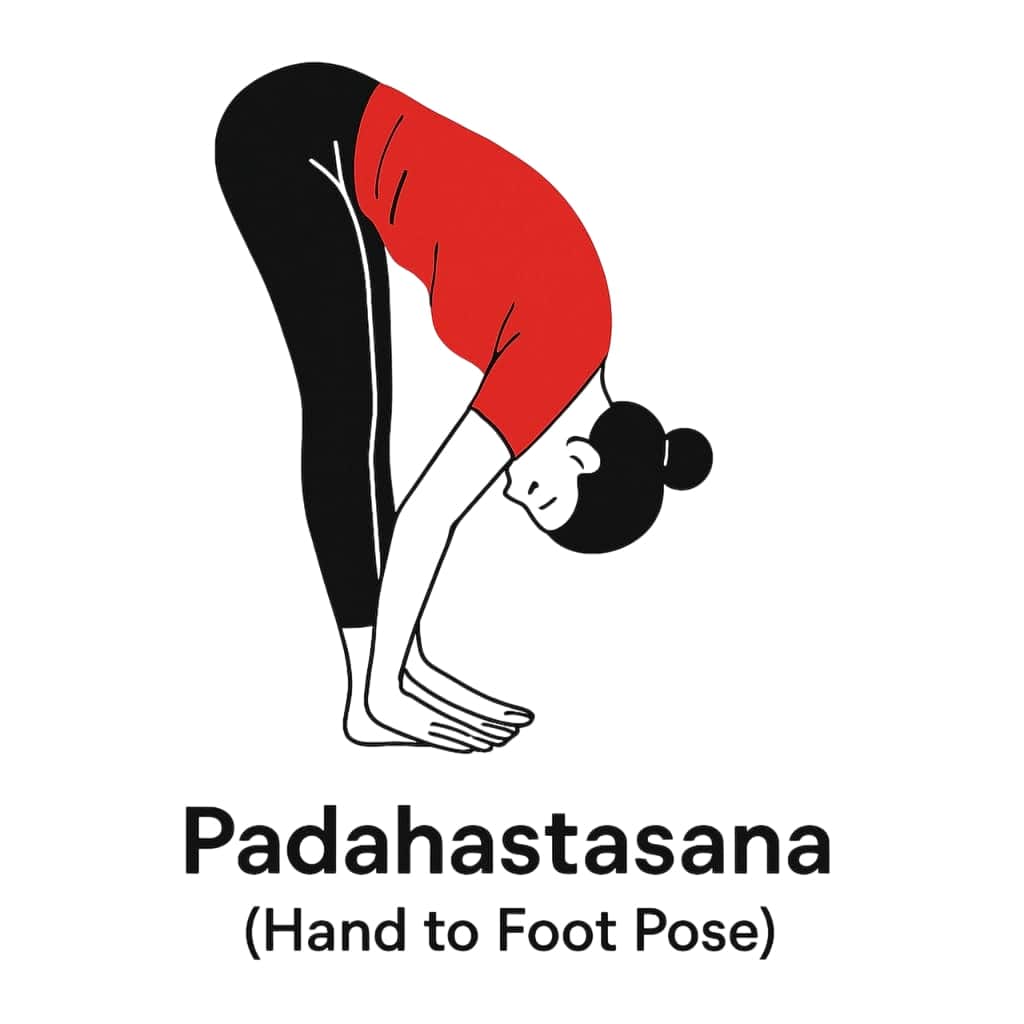
Technique: Exhale and bring the left foot forward, aligning it with the right, and bend forward from the hips.
Breathing: Exhale.
Benefits: Releases tension in the back and legs, stimulates the nervous system, and improves digestion.
11. Hasta Uttanasana (Raised Arms Pose)
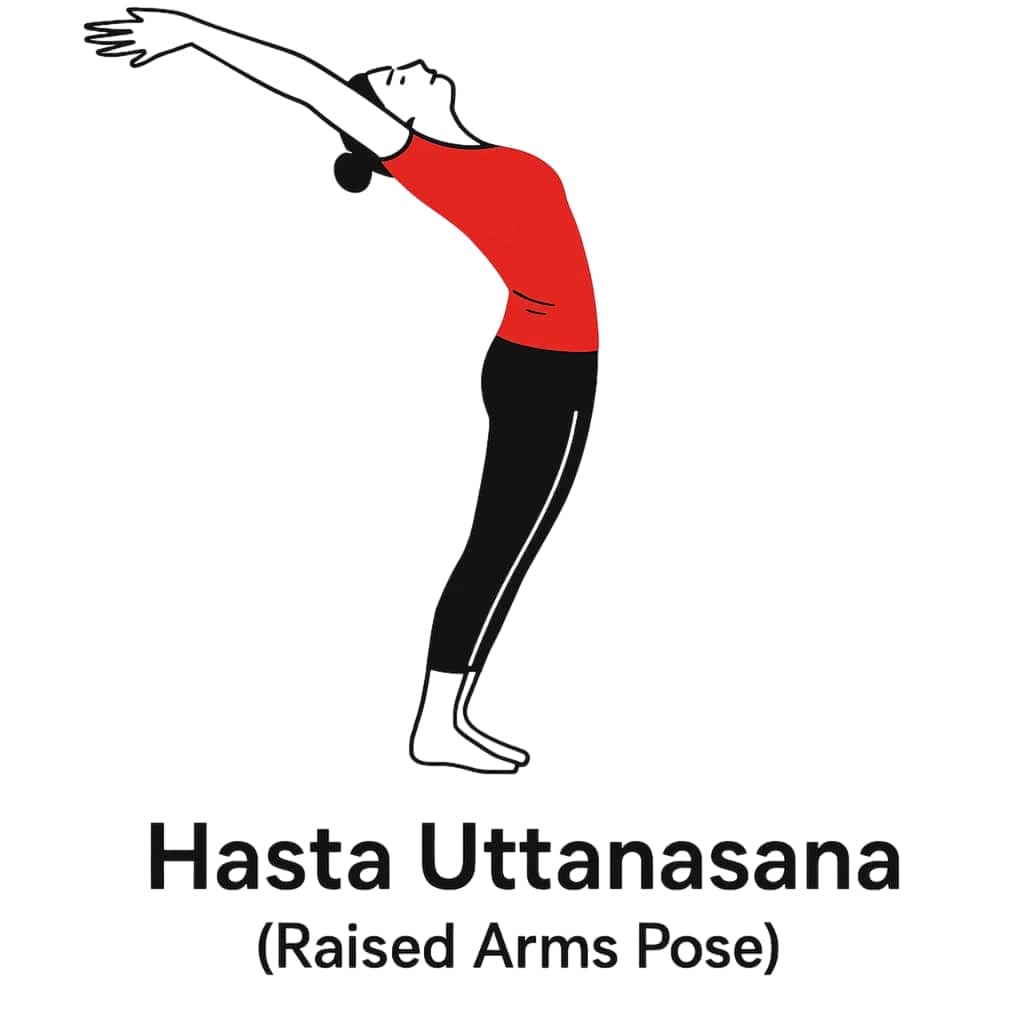
- Technique: Inhale and raise the arms overhead, arching the back slightly, and stretch the whole body upward.
- Breathing: Inhale.
- Benefits: Enhances flexibility of the spine, improves posture, and expands the chest.
12. Pranamasana (Prayer Pose)
- Technique: Exhale and bring the palms together in front of the chest, returning to the starting position.
- Breathing: Exhale.
- Benefits: Promotes relaxation, centers the mind, and completes the cycle with a sense of gratitude.
What is 108 surya namaskar?
108 Suryanamaskar is the practice of performing 108 rounds of the traditional 12 steps of Suryanamaskar sequence. This powerful yoga practice is often done to honor significant occasions, such as International Yoga Day or seasonal transitions. It is a discipline that is both spiritual and physical, signifying dedication and transformation.
Focus and breath awareness are used to accomplish the 12 Suryanamaskar movements, which include poses like Ashwa Sanchalanasana and Bhujangasana, in each cycle. Completing 108 cycles not only calls for mental toughness, endurance, and focused breathing, but it also results in a deeply calming sensation.
Doing 108 Suryanamaskar steps regularly increases flexibility, strength, and endurance. It helps with the body’s circulation, cleansing, and overall well-being in addition to offering emotional and spiritual clarity.
Suryanamaskar for weight loss
Suryanamaskar or Sun Salutation is a combination of yoga asanas that combines strength and flexibility training with aerobic activity to help individuals lose weight. Regular Suryanamaskar practice increases metabolism, tones the body, and enhances calorie-burning effectiveness. It is a full-body workout that stimulates many muscle groups and enhances digestion, two things that are critical for a successful weight loss program. Regularly practicing suryanamaskar aids in burning the calories of the body and boosting the metabolism of the body.
The 12 Suryanamaskar steps, which include poses like Hastauttanasana, Bhujangasana, and Parvatasana, are primarily focused on the back, arms, legs, and core. These poses strengthen and stretch the body while enhancing endurance and balance. Each step speeds up the body’s ability to burn fat by increasing circulation and activating specific organs.
Suryanamaskar gradually reduces stress, which can sometimes lead to emotional eating, while also improving posture and flexibility. Complete and long-lasting weight loss is promoted by using this method regularly in conjunction with a nutritious diet.


