






Yoga Mudra: Overview
Yoga mudras are hand positions or gestures that guide the body’s prana (or flow of energy) during meditation and pranayama. The word ‘mudra’ is a Sanskrit word with literal meaning ‘gesture’. Different types of mudras are meant to stimulate different body parts and improve mental, physical, and spiritual health.
Yoga mudras have been used since before the time of ancient civilizations like Egypt and Mesopotamia. Mudras, which stand for divine powers, are used to depict Indian deities. Mudras have long been used in Indian ceremonies and traditional dance forms. They were first employed for healing and reaching a higher state of consciousness in tantric and yogic rituals.
There are numerous mudras with different health benefits. Some popular ones have been discussed here in this blog:
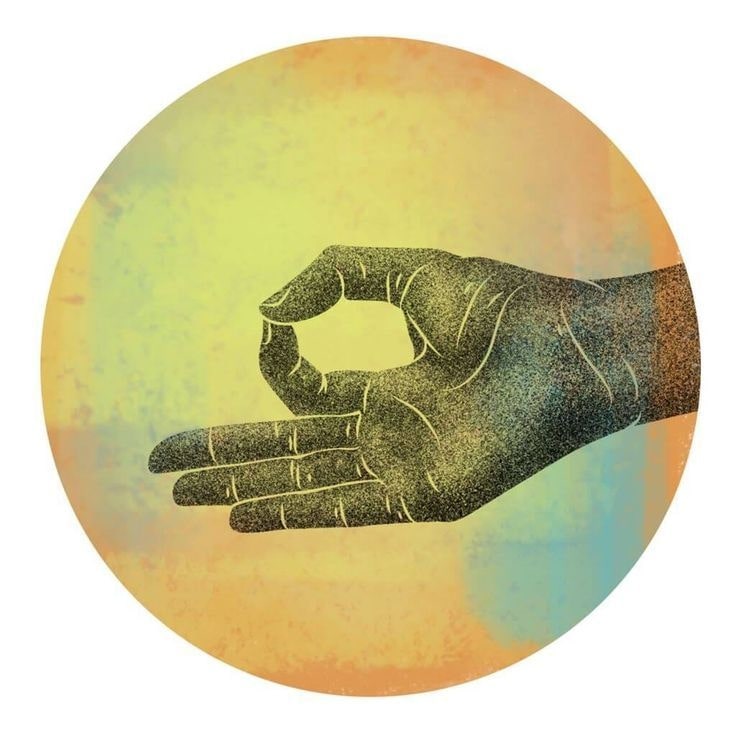
Gyan Mudra
Process:
Sit in a comfortable position with your back straight. Gently join the tips of your thumb and index finger and keep the other three fingers relaxed. Place your palms up on your knees in this posture. Take a deep breath and concentrate on your breath.
Benefits:
Gyan Mudra or ‘mudra of knowledge’ boosts mental clarity, memory, and focus. It is beneficial for learning and meditation since it stimulates the brain. It also helps to lower tension, stress, and anxiety.
Precautions:
Gyan Mudra is safe for daily practice for everyone. Start with practicing for 30 minutes at the initial stages.
Also Read: Pranayama: Types and Benefits
Surya Mudra
Process:
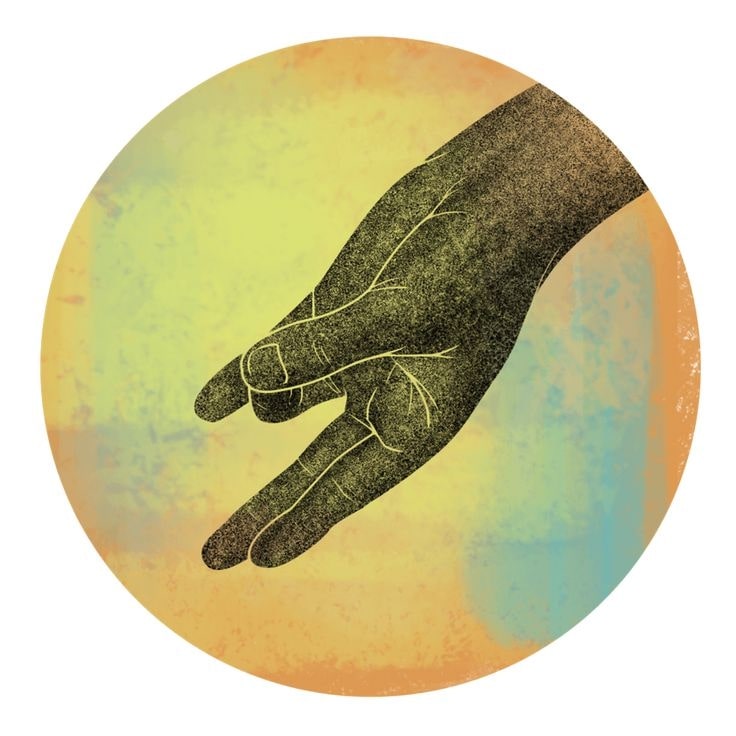
Surya Mudra is done by bending your ring finger till the tip touches the thumb. Gently press the thumb down on the ring finger and keep the other fingers extended. With your palms up on your knees or thighs. Take deep and strong breaths while doing this
Benefits:
Surya Mudra is good for improving digestion, metabolism, and weight loss. It raises the body’s fire element and lowers its earth element. It lowers cholesterol, increases energy, and aids in controlling body temperature. It increases vitality and willpower while balancing the Kapha dosha.
Precautions:
You should not do it for a longer time if you are with fever, high body temperature, hyperacidity, or heat-induced weakness. It can result in heat or dryness. 15 to 30 minutes each day is enough for better results.
Prana Mudra
Process:
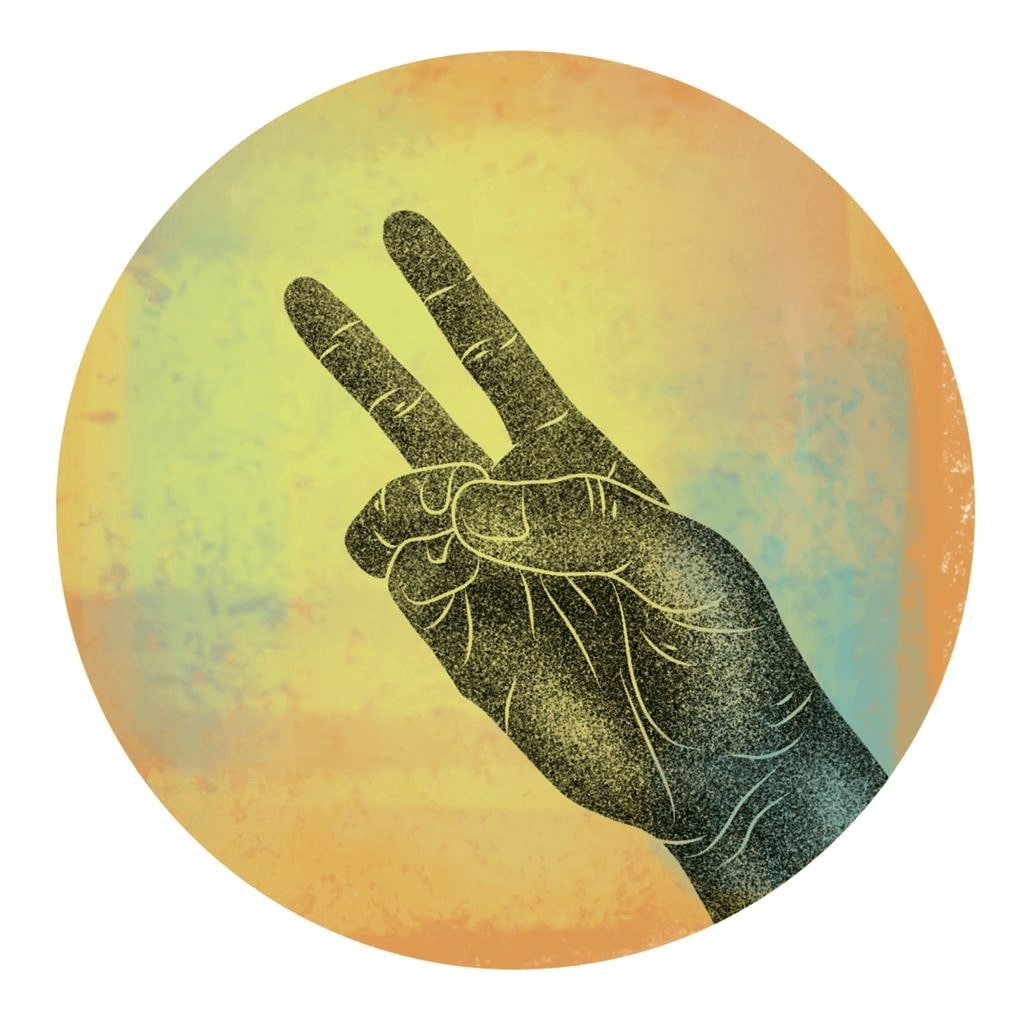
Sit comfortably with your spine straight for Prana Mudra. Keep the middle and index fingers outstretched. Then touch the tips of the ring and little fingers to the tip of the thumb. Keep your palms up on your knees and breathe normally.
Benefits:
Prana Mudra is also called as ‘mudra of life’. It is a fantastic yoga mudra to increase immunity, lessen weariness, and revitalize. It balances the flow of life force (prana) and boosts prana shakti. It helps to awaken the body’s dormant energies.
Precautions:
Prana Mudra has no serious adverse effects and is safe to practice every day. To prevent building up too much energy, people with high Pitta (fire element) may practice it carefully, that’s all.
Vayu Mudra
Process:
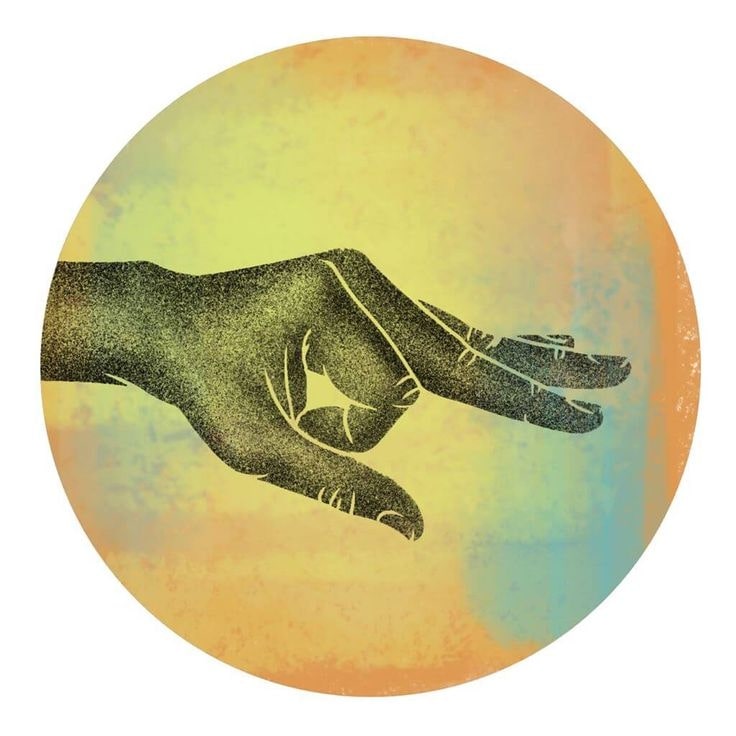
Sit comfortably in a contemplative stance with your back straight. Until the tip of your index finger touches the base of your thumb, fold it. Then lightly press the thumb against the index finger with the other fingers outstretched. Breathe peacefully with placing your hands on your knees.
Benefits:
Vayu Mudra helps with arthritis, stiffness, and joint discomfort by lowering the body’s excess air element. Additionally, it successfully reduces anxiety, restlessness, and nervous energy. Additionally, it helps to lessen issues like gas production, muscle stiffness, and bloating that are brought on by the body’s Vata imbalance.
Precautions:
Avoid extended practice of this mudra without enough supervision. Before incorporating this mudra into their practice, people with long-term medical issues should consult a yoga professional.
Varun Mudra

Process:
Sit comfortably with your shoulders relaxed and your back straight for Varun Mudra. Lightly press the tip of your little finger with your thumb. Keep stretching the remaining fingers and breathe deeply with holding your palms up on your knees.
Benefits:
Varun Mudra hydrates and nourishes the skin’s tissues. It raises the body’s water content. This mudra is especially helpful for those with skin issues or other dry skin disorders. It can also help to lessen dryness in the lips, eyes, and joints.
Precautions:
If you have sinus issues, a tendency to retain water, or an imbalance in your kapha, you should avoid this mudra. It works best during dry or dehydrated periods and should be avoided if a water imbalance is causing bloating or edema.
Anjali Mudra
Process:
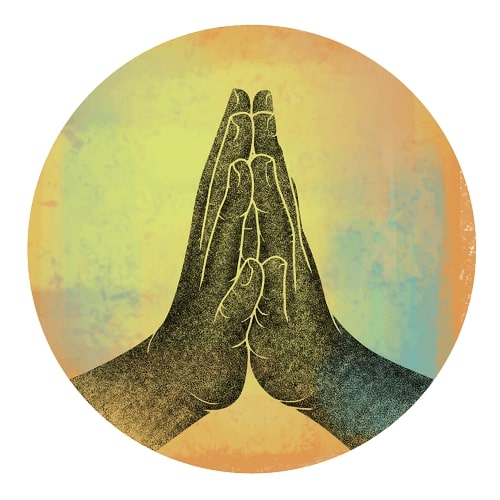
To perform Anjali Mudra, place both your hands in front of the chest with the fingers pointing upward and the thumbs touching the middle of the chest. This move is also known as the praying position. It is done while standing or sitting position with the eyes closed, the spine straight, and the breathing relaxed.
Benefits:
Anjali Mudra is a symbol of reverence and tranquility. It encourages mental and emotional equilibrium. It is perfect for prayer and meditation. This mudra promotes thankfulness, humility, and spiritual connection while calming the nervous system and lowering tension.
Precautions:
Anjali Mudra is safe for people of all ages. There is no specific risk or restriction associated with this mudra. It is ideal to do during yoga, meditation, or religious activities.
Brahma Mudra
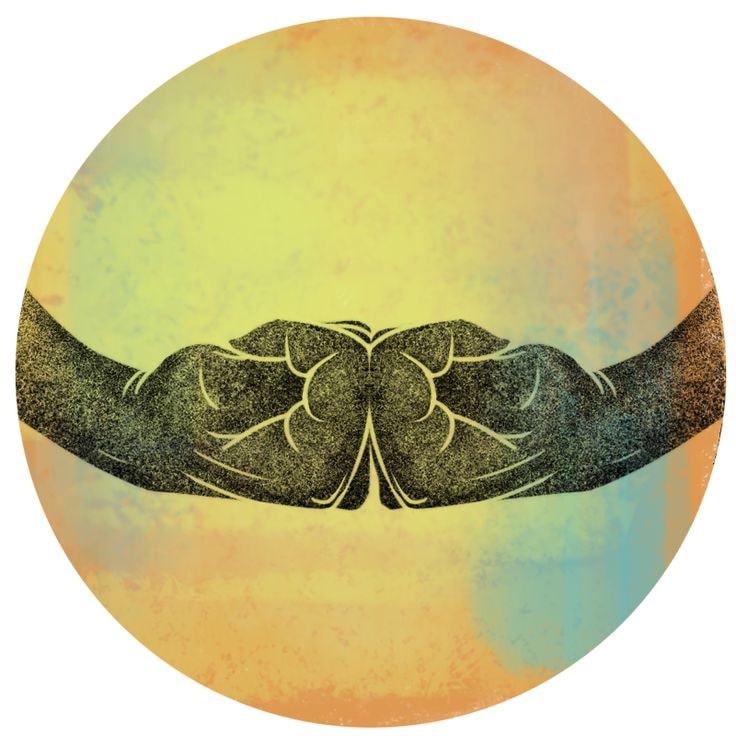
Process:
Sit in a comfortable meditative posture with your spine erect. Place both hands in Brahma Mudra by forming fists and joining them at the navel. Inhale deeply and rotate the neck slowly to right, left, and center while exhaling.
Benefits:
Brahma Mudra helps in relieving stress, tension, and neck stiffness. It enhances concentration and promotes your emotional balance. One other special benefit of it is, it stimulates the throat chakra. This mudra is also good for better blood circulation to the brain and balanced breathing.
Also Read: Headache: Types and Cure
Precautions:
Avoid Brahma Mudra if you have severe neck or spinal injuries. Perform the neck movements gently without strain. Consult your yoga instructor to ensure correct posture and breathing technique.
Prithvi Mudra
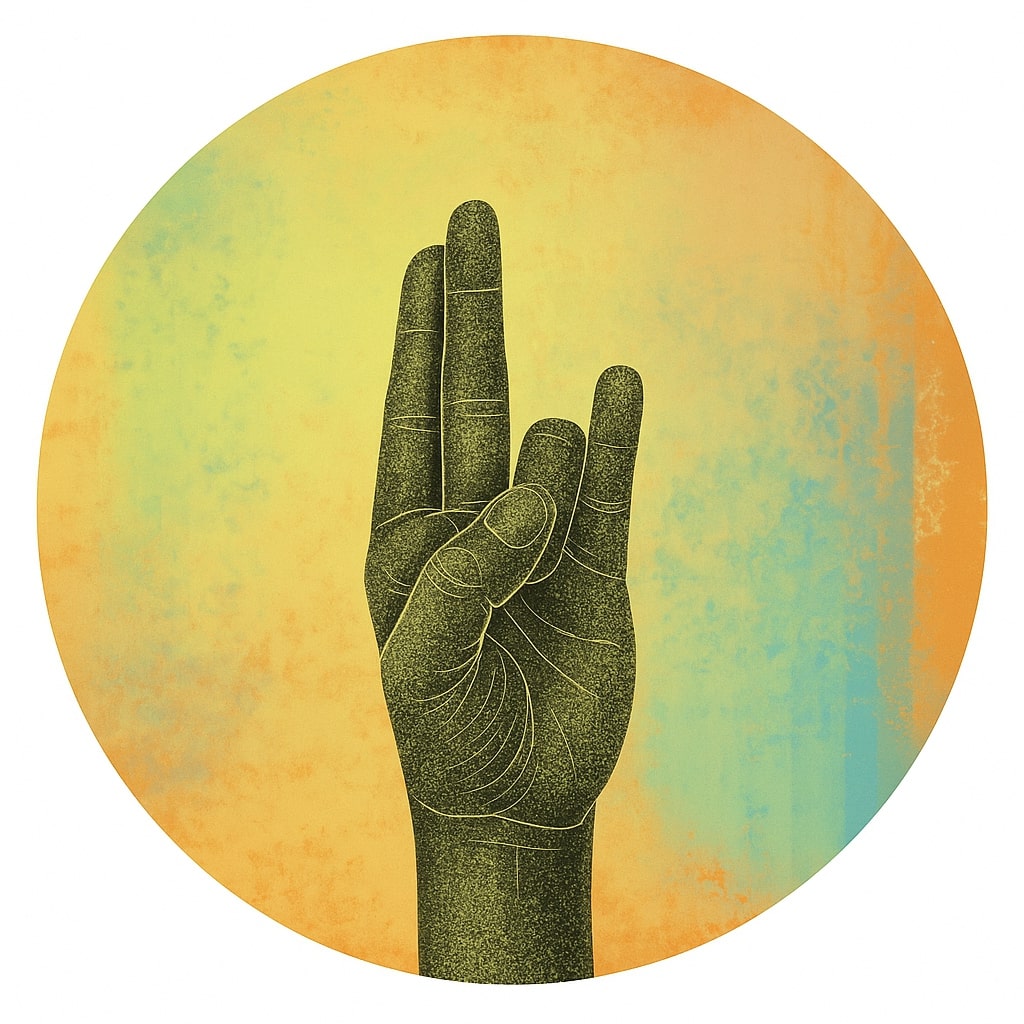
Process:
Sit properly with your back straight to perform Prithvi Mudra. Gently touch the tip of your ring finger to the tip of your thumb. Continue to breathe deeply and calmly.
Benefits:
With this mudra, the fire element decreases and the earth element increases within the body. It enhances skin health, hair growth, and tissue healing. It promotes mental peace and fights underweight, weakness, and exhaustion.
Precautions:
You can perform this mudra. It generally safe mudra to do regularly. People who are overweight or have high Kapha (earth and water elements) should use it cautiously.
Apana Mudra
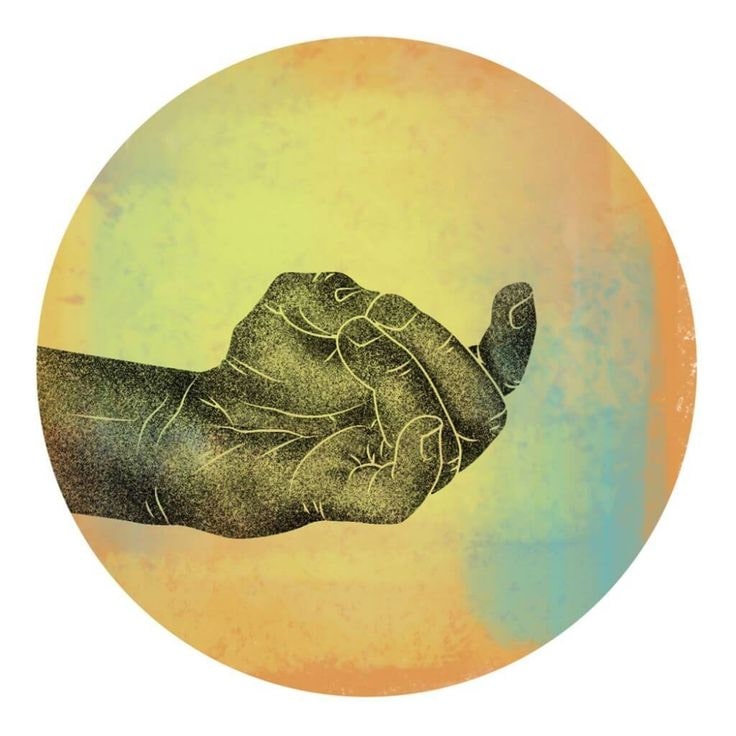
Process:
Bring the tips of your middle and ring fingers to the tip of your thumb to do Apana Mudra. Keep your index and little fingers extended. Take deep breaths and maintain your palms up on your thighs or knees.
Benefits:
Apana Mudra increases the body’s downward-moving energy. It makes digestion, evacuation, and cleansing easier. It also works wonders for urinary tract infections, menstruation problems, and constipation.
Precautions:
Avoid doing it if you have diarrhea as it encourages downward energy. Though people with low blood pressure should do this with care.
Shunya Mudra
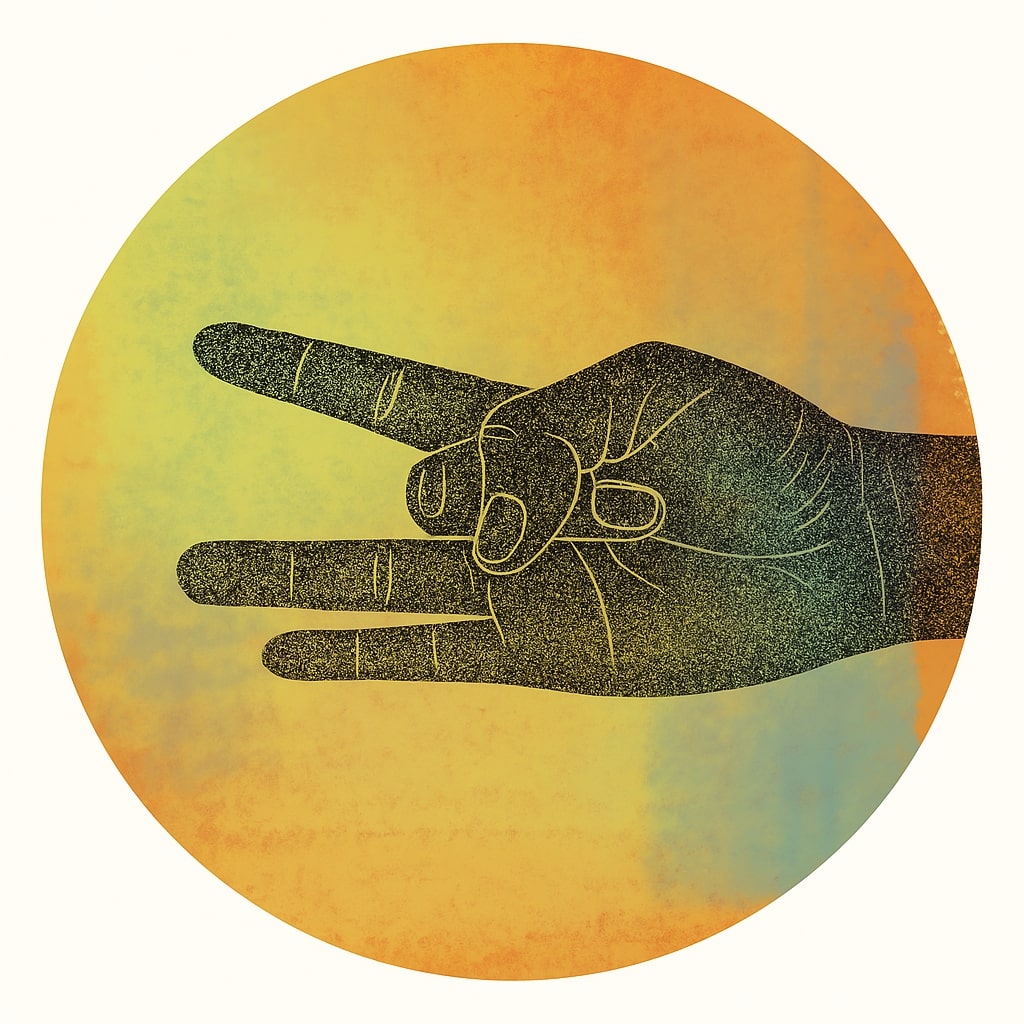
Process:
To perform Shunya Mudra, sit properly with your spine straight. Bend your middle finger till the tip touches the base of your thumb. Gently press the middle finger with your thumb and keep the other fingers relaxed.
Benefits:
Shunya Mudra relieves vertigo, motion sickness, earaches, and hearing problems. It calms down the nervous system, reduces mental and physical numbness. This mudra is a helpful tool in spiritual and meditation practices.
Precautions:
People with dry joints or Vata imbalances should consult a yoga professional before doing. In certain medical situations, keep the practice to 10 to 15 minutes.
Conclusion
Yoga signifies the unification of the consciousness of the universe with the consciousness of the inner self. It is medium of the merger of mind, body and spirit. Yoga mudras are the symbol of hand gestures that are used in the yoga poses that aids in the flow of energy. The various types of mudras enhances the overall wellbeing of the body by improving the physical and mental state. While carrying out the yoga practices the proper yoga mudras should also be kept in mind so as to have the complete benefit of practicing yoga.


