Short Description

What is Flaxseed?

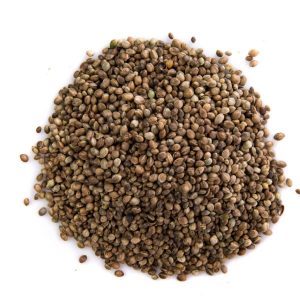
Flaxseed is a small, golden brown seed collected from the flax plant. It is highly valued for its high quantities of fiber and nutrients. The seeds are separated from the mature flax plants carefully.

These seeds are rich in lignans, dietary fiber, and omega-3 fatty acids. Flaxseed promotes heart health, reduces cholesterol, and enhances digestion. These seeds can be consumed whole, crushed and added to other foods.

Flax seeds grow well in cool climates with well-draining soil. These plants grow tall and have slender stems. The fully grown seed pods are gathered, dried, and made ready for consumption.

How is flaxseed cultivated?

Flaxseed grows best in cool climates with well-drained soil. The process starts with planting of seeds in the early Spring. Plants develop thin stalks and green leaves. It needs enough sunlight and hydration to promote healthy seed growth.

When the pods become brown, harvesting begins. First, the plants are removed from the soil and then dried. After that, they are processed to make them fit for ingestion.
Product Description

Benefits of using Flaxseed

  • Promotes heart health
  • Helps lower bad cholesterol
  • Packed with omega-3 fatty acids
  • Enhances digestion
  • Regulates blood sugar levels
  • Supports healthy weight management
  • Rich in dietary fiber
  • Strengthens the immune system
  • Fights inflammation naturally
  • Nourishes and brightens skin
  • Helps balance hormones
  • Excellent source of plant-based protein

How to use Flaxseed?

  • Add ground seeds to smoothies
  • Sprinkle over fresh salads
  • Mix into yogurt or parfaits
  • Incorporate into homemade bread or muffins
  • Blend into soups or stews
  • Stir into warm oatmeal or porridge
  • Add to pancake or waffle batter
  • Drizzle flaxseed oil over salads
  • Mix into homemade energy bars
  • Stir into flavorful curries
  • Blend with protein shakes for extra nutrition

What is Flaxseed?

Flaxseed is a small, golden brown seed collected from the flax plant. It is highly valued for its high quantities of fiber and nutrients. The seeds are separated from the mature flax plants carefully.

These seeds are rich in lignans, dietary fiber, and omega-3 fatty acids. Flaxseed promotes heart health, reduces cholesterol, and enhances digestion. These seeds can be consumed whole, crushed and added to other foods.

Flax seeds grow well in cool climates with well-draining soil. These plants grow tall and have slender stems. The fully grown seed pods are gathered, dried, and made ready for consumption.

How is flaxseed cultivated?

Flaxseed grows best in cool climates with well-drained soil. The process starts with planting of seeds in the early Spring. Plants develop thin stalks and green leaves. It needs enough sunlight and hydration to promote healthy seed growth.

When the pods become brown, harvesting begins. First, the plants are removed from the soil and then dried. After that, they are processed to make them fit for ingestion.
Introduction

Flax seeds or linseeds are tiny oil-rich seeds obtained from the flax plant (Linum usitatissimum). They have been used for centuries in traditional diets for their digestive, heart-health, and nutritional benefits. Flax seeds contain lots of fiber, healthy fats, and plant-based nutrients.

Health benefits of flax seeds

Flax seeds support heart health with lowering cholesterol levels and improving blood circulation. They are rich in omega-3 fatty acids, fiber, and antioxidants. These are an addition to control digestion, blood sugar, inflammation, weight management, and overall metabolic and hormonal balance in the body.

Nutritional value of flax seeds

Nutrition Facts of Flaxseeds (per 1 tablespoon / 10 grams):

Nutrient Amount
Calories 55 kcal
Water 7%
Protein 1.9 g
Carbohydrates 3 g
Sugar 0.2 g
Fiber 2.8 g
Fat 4.3 g

How to eat flax seeds?

Flax seeds can be eaten ground, roasted, or soaked. Ground flax seeds are easiest to digest and absorb. They can be added to smoothies, yogurt, oats, salads, chapatis, or sprinkled over vegetables. Flax seed oil can also be used in dressings, but not for cooking.

Can flax seeds be eaten raw?

Yes, flax seeds can be eaten raw, but our body can not digest the whole raw seeds pass. For that, you need to grind or soak them to improve nutrient absorption. You can roast them too to enhance flavor. But, remember, excessive amounts of heat can damage omega-3 fatty acids.

What are flax seeds called in different languages?

Flax Seeds in Hindi

Flax seeds in Hindi is called अलसी (Alsi).

Flax Seeds in Tamil

Flax seeds in Tamil is called ஆளி விதை (Aali Vithai).

Flax Seeds in Telugu

Flax seeds in Telugu is called అవిసె గింజలు (Avise Ginjalu).

Flax Seeds in Kannada

Flax seeds in Kannada is called ಆಗಸೆ ಬೀಜ (Agase Beeja).

Flax Seeds in Bengali

Flax seeds in Bengali is called তিসি বীজ (Tishi Bij).

Flax seeds HSN code

Flax seeds (Linseed) are generally classified under HSN Chapter 12 (Oil seeds and oleaginous fruits).

  • HSN 1204 – Flax seeds (linseed)
  • 12040010 – Flax seeds, for sowing
  • 12040090 – Linseed, whether or not broken (raw seeds)

Frequently Asked Questions

Flaxseed is called Alsi (अलसी) in Hindi. In India, it is widely used in traditional diets, herbal remedies, and cooking.

Yes, flax seeds can be consumed daily in moderate amounts. One to two teaspoons per day is generally safe and considered good for health.

For weight loss, consume roasted or ground flax seeds. Add one teaspoon to warm water, smoothies, yogurt, or meals to reap its health perks.