Short Description

What is Hibiscus?

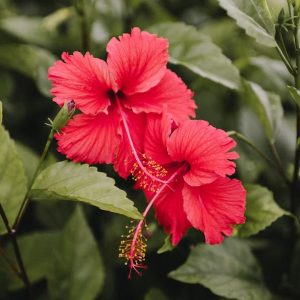
Hibiscus is the vibrant, large flower of crimson colour. It is basically a flowering plant. Hibiscus flower parts are used to make medicines, beverages, and cosmetics. The blooms are gathered and dried before use. It grows best in warm climates.

Hibiscus grows best on rich, well-drained soil that receives plenty of sunlight. When the plants start to bloom, the blooms are hand-picked, cleaned, and allowed to air dry in the sun. Afterwards, dried hibiscus petals are brewed into herbal teas and used in cosmetics.

How is Hibiscus cultivated?

Hibiscus grows best in tropical and subtropical climates. This tree can be found all throughout India. The initial step in the plantation is stem cutting, which needs little upkeep to bloom. For this tree, insects are a serious issue. It does, however, need pest prevention. Hibiscus hence needs a lot of water and sunlight.

Flowers bloom at different times of the year depending on their type. But it usually takes 3 to 4 months for it to mature and start flowering.

Product Description

Benefits of using Hibiscus

  • Supports healthy hair growth and naturally reduces dandruff
  • Promotes glowing skin and helps clear acne
  • Boosts immunity with its rich vitamin C content
  • Aids digestion and supports better metabolism
  • Helps regulate and maintain healthy blood pressure levels
  • Provides antioxidant protection against free radicals
  • Relieves stress and encourages relaxation
  • Promotes heart health and overall well-being

How to use Hibiscus?

  • Brew hibiscus petals into herbal tea for health benefits
  • Mix hibiscus powder with oil to strengthen hair
  • Drink hibiscus juice for its refreshing, cooling effect
  • Apply a hibiscus face pack to enhance skin brightness
  • Add dried petals to soups or salads for a floral flavor
  • Use hibiscus-infused water as a natural hair rinse

What is Hibiscus?

Hibiscus is the vibrant, large flower of crimson colour. It is basically a flowering plant. Hibiscus flower parts are used to make medicines, beverages, and cosmetics. The blooms are gathered and dried before use. It grows best in warm climates.

Hibiscus grows best on rich, well-drained soil that receives plenty of sunlight. When the plants start to bloom, the blooms are hand-picked, cleaned, and allowed to air dry in the sun. Afterwards, dried hibiscus petals are brewed into herbal teas and used in cosmetics.

How is Hibiscus cultivated?

Hibiscus grows best in tropical and subtropical climates. This tree can be found all throughout India. The initial step in the plantation is stem cutting, which needs little upkeep to bloom. For this tree, insects are a serious issue. It does, however, need pest prevention. Hibiscus hence needs a lot of water and sunlight.

Flowers bloom at different times of the year depending on their type. But it usually takes 3 to 4 months for it to mature and start flowering.
Introduction

Hibiscus tea is an herbal beverage made from dried hibiscus flowers. This has a vibrant red color and tangy flavor. It is caffeine-free and popular for its refreshing taste. Not only the taste, hibiscus adds a lot to the potential health benefits. It is good for the heart, blood pressure, and provides antioxidants.

How to make Hibiscus tea

To make hibiscus tea, boil a cup of water in a pan. Then add 1 to 2 teaspoons of dried hibiscus flowers according to your taste. Boil the water for 5 to 10 minutes. Then strain the tea and add honey or lemon if desired. Have it hot or chilled. It can also be brewed for better taste.

What are the benefits of drinking Hibiscus tea?

  • Rich in antioxidants that combat free radicals
  • Helps to lower blood pressure naturally
  • Supports liver health and detoxification
  • Aids digestion and reduces bloating
  • Boosts immunity with vitamin C content
  • Keep your weight in control
  • Reduces cholesterol and improve heart health
  • Gives you glowing skin

How to Use Hibiscus Leaves for Hair Growth

Hibiscus paste or oil is good for health. Hibiscus leaves should be crushed into a paste or boiled with other oil to make an oil preparation. Apply directly to the scalp and hair, leave for 30 to 60 minutes, then rinse. It promotes hair growth, reduces hair fall, strengthens roots, and improves hair shine and texture.

What is Hibiscus called in different languages?

Hibiscus in Hindi

Hibiscus in Hindi is called गुड़हल (Gudhal).

Hibiscus in Tamil

Hibiscus in Tamil is called செம்பருத்தி (Sembaruthi).

Hibiscus in Telugu

Hibiscus in Telugu is called జపాలచెట్టు (Japalachettu).

Hibiscus in Kannada

Hibiscus in Kannada is called ಗುಡಿಹಲ್ (Gudihal).

Hibiscus in Bengali

Hibiscus in Bengali is called জবা (Jaba).

Hibiscus HSN code

Hibiscus is classified based on its form and use:

  • HSN 12119029 – Dried hibiscus flowers (e.g., Hibiscus sabdariffa)
  • HSN 12119099 – Powdered or crushed Hibiscus
  • HSN 13021990 – Hibiscus extracts
  • HSN 20081990 – Processed Hibiscus items, such as syrup

Frequently Asked Questions

In India, hibiscus is called Gudhal (गुड़हल) in Hindi, Sembaruthi in Tamil, Japalachettu in Telugu, and Jaba in Bengali.

Yes, hibiscus tea is safe for daily consumption in moderate amounts. Do not take it in excessive amounts as it can lower blood pressure or interact with medications.

Hibiscus can lower blood pressure if one takes it excessively. And there is also a possibility of interacting with diabetes or heart medications.