Short Description

What is Licorice Root?

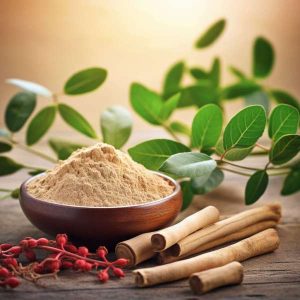
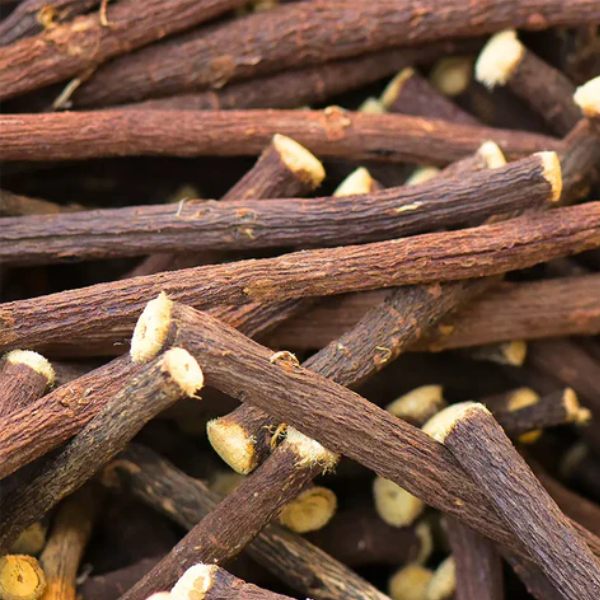
Licorice root has long been used as a medicinal herb in traditional medicine. It comes from the Glycyrrhiza glabra plant’s root. This is native to Asia and Europe.

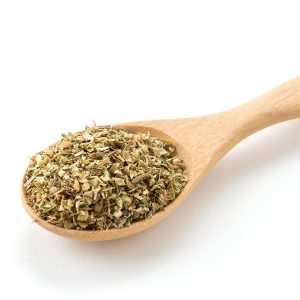
The root is first collected, dried, and then ground into an extract or powder. This is commonly added to herbal teas or used as an ingredient in herbal remedies. It is much like natural sweeteners and has a flavour of slightly bitter and earthy.

Licorice root is advantageous due to its anti-inflammatory, antioxidant, and immune-stimulating properties. It aids in digestion, coughing, and skin problems.

How is Licorice Root cultivated?

Licorice grows best in sandy, well-drained, nutrient-rich soil with warm temperatures. Seeds or root cuttings are sown in spring. The crop needs minimal watering and benefits from organic manure. Roots mature in three to four years and are used for powders, extracts, or medicines.
Product Description

Benefits of using Licorice Root

  • Relieves throat and cough
  • Aids easy digestion
  • Reduces inflammation
  • Boosts immunity and fights infections
  • Helps manage stress and fatigue
  • Improves skin health
  • Supports liver detox and function

How to use Licorice Root?

  • Boil licorice root for soothing tea
  • Mix powder with honey for cough relief
  • Add extract to herbal syrups for digestion
  • Apply licorice oil or paste for skin care
  • Mix powder in warm milk for acidity relief
  • Use under medical guidance for long-term use

What is Licorice Root?

Licorice root has long been used as a medicinal herb in traditional medicine. It comes from the Glycyrrhiza glabra plant’s root. This is native to Asia and Europe.

The root is first collected, dried, and then ground into an extract or powder. This is commonly added to herbal teas or used as an ingredient in herbal remedies. It is much like natural sweeteners and has a flavour of slightly bitter and earthy.

Licorice root is advantageous due to its anti-inflammatory, antioxidant, and immune-stimulating properties. It aids in digestion, coughing, and skin problems.

How is Licorice Root cultivated?

Licorice grows best in sandy, well-drained, nutrient-rich soil with warm temperatures. Seeds or root cuttings are sown in spring. The crop needs minimal watering and benefits from organic manure. Roots mature in three to four years and are used for powders, extracts, or medicines.

What is licorice root?

Licorice root is the dried root of the Glycyrrhiza glabra plant. It is known for its naturally sweet taste and medicinal properties. It is used in Ayurveda as a traditional medicine for skincare and other reasons. Licorice is good for digestion, sore throats, inflammation, and skin health.

Benefits of Licorice Root

  • It soothes the sore throat and cough.
  • This root is good for digestion and acidity.
  • Helps to reduce inflammation naturally.
  • Makes the skin bright and pigmentation free.
  • Good for respiratory health and immune health.
  • Has antioxidant and antimicrobial properties.

Uses of Licorice Root

  • Used in herbal teas and decoctions.
  • Common ingredient in Ayurvedic medicines.
  • Applied in skincare products and face packs.
  • Good to manage gastric ulcers and acidity.
  • Used for voice care and throat health.

Side Effects of Licorice Root

  • It can increase blood pressure with excessive use.
  • Can cause low potassium levels.
  • It can lead to water retention and swelling.
  • Not recommended during pregnancy.

What is licorice root called in different languages?

Licorice Root in Hindi

Licorice Root in Hindi is called Mulethi (मुलेठी).

Licorice Root in Tamil

Licorice Root in Tamil is called Athimadhuram (அதிமதுரம்).

Licorice Root in Telugu

Licorice Root in Telugu is called Atimadhuram (అతిమధురం).

Licorice Root in Kannada

Licorice Root in Kannada is called Yashtimadhu (ಯಷ್ಟಿಮಧು).

Licorice Root in Bengali

Licorice Root in Bengali is called Jesthimadhu (যষ্টিমধু).

Licorice Root in Malayalam

Licorice Root in Malayalam is called Irattimadhuram (ഇരട്ടിമധുരം).

Licorice Root HSN code

  • HSN 12119049 – Licorice root (other types), used in trade
  • HSN 1211901520 – Specific classification for licorice roots/rhizomes.
  • HSN 3004 – Finished medicinal products containing licorice.

Frequently Asked Questions

Those who have high blood pressure, heart disease, kidney problems, low potassium levels should avoid this roots. Apart from these, pregnant women, and those on diuretics should avoid licorice root.

Licorice root powder or extract can be applied topically with rose water or aloe vera gel. This is to reduce pigmentation, dark spots, and promote a brighter, even skin tone.

In India, licorice root is called Mulethi in Hindi.