Short Description

What is Isabgol (Psyllium husk)?

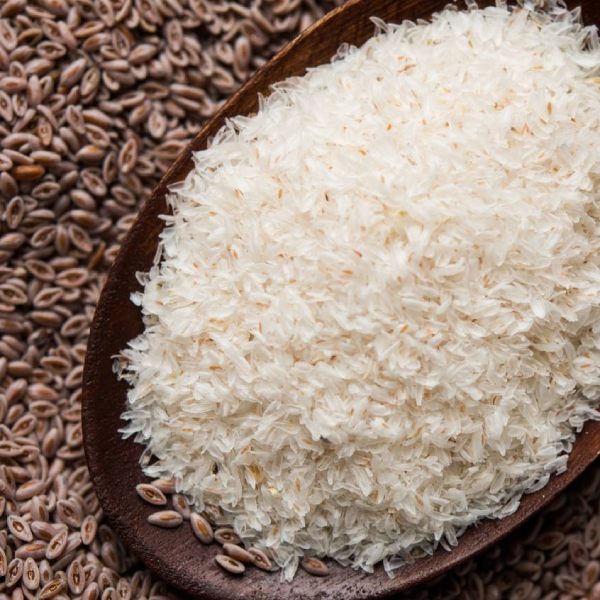
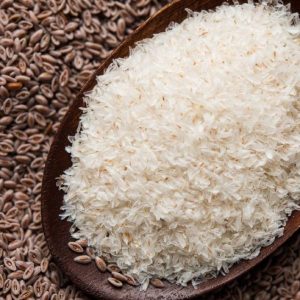
Isabgol, also known as psyllium husk, is made from Plantago ovata seeds. The husk must first be removed, washed, and dried before use. It’s a typical natural digestive aid.

The seeds are placed on sandy soil during cold and dry weather. After the plant grows, the husk is separated from the seeds after harvesting and packed for use in food and medicinal plants.

How is Isabgol (Psyllium husk) cultivated?

Isabgol grows best on sandy soil with adequate drainage. The seeds are sown in rows, just like wheat or paddy. The crop requires careful weeding and modest irrigation for best growth.

When plants reach maturity, they are ready for harvest. The seed spikes are first dried and then threshed to separate the seeds. The outer husk is removed, cleaned, and transformed into psyllium husk that can be used.
Product Description

Benefits of using Isabgol (Psyllium husk)

  • Improves digestion naturally and helps relieve constipation
  • Helps to manage diarrhoea by absorbing excess fluids
  • Supports healthy weight loss by promoting a feeling of fullness
  • Aids in maintaining balanced blood sugar levels
  • Lowers cholesterol and promotes heart health
  • Acts as a gentle, natural detox for the body

How to use Isabgol (Psyllium husk)?

  • Mix one teaspoon of Isabgol in warm water and drink before bedtime
  • Take with warm milk to help relieve constipation
  • Add to curd or buttermilk to manage diarrhea
  • Always drink plenty of water after consumption
  • Blend into smoothies for an added fiber boost


What is Isabgol (Psyllium husk)?

Isabgol, also known as psyllium husk, is made from Plantago ovata seeds. The husk must first be removed, washed, and dried before use. It’s a typical natural digestive aid.

The seeds are placed on sandy soil during cold and dry weather. After the plant grows, the husk is separated from the seeds after harvesting and packed for use in food and medicinal plants.

How is Isabgol (Psyllium husk) cultivated?

Isabgol grows best on sandy soil with adequate drainage. The seeds are sown in rows, just like wheat or paddy. The crop requires careful weeding and modest irrigation for best growth.

When plants reach maturity, they are ready for harvest. The seed spikes are first dried and then threshed to separate the seeds. The outer husk is removed, cleaned, and transformed into psyllium husk that can be used.

What is isabgol?

Isabgol is also known as psyllium husk and it is a natural dietary fiber obtained from the seeds of the Plantago ovata plant. It is a common tool to be used to improve digestion, relieve constipation, and support gut health. This natural fibre also regulates cholesterol and blood sugar levels.

How is isabgol made?

Isabgol is harvested from the ripe Plantago ovata seeds. The seeds are cleaned and mechanically processed to separate the husk from the seed. The husk is then dried, graded, and packed. This husk swells when it is mixed with water. It provides fiber benefits.

How to use isabgol?

Isabgol is consumed after mixing one to two teaspoons of the husk in warm water and consuming immediately. It can be taken at night for constipation or before meals for appetite control. But you should keep in mind that always take sufficient water to avoid discomfort.

Benefits of Isabgol

  • Relieves constipation by softening stools and improving bowel movement.
  • Supports in healthy digestion and gut function.
  • Helps to control cholesterol levels naturally.
  • Aids in managing blood sugar levels.
  • Supports weight management by promoting fullness
  • Helps to keep away diarrhoea like water borne diseases
  • Improves heart health due to high soluble fibre
  • Gentle and safe for regular use when taken with enough water

What is Isabgol (Psyllium husk) called in different languages?

Isabgol (Psyllium husk) in English

Isabgol (Psyllium husk) in English is called Psyllium Husk or Blond Psyllium.

Isabgol (Psyllium husk) in Tamil

Isabgol (Psyllium husk) in Tamil is called Isabgol / Psyllium Umi (இசப்கோல் / சைலியம் உமி).

Isabgol (Psyllium husk) in Telugu

Isabgol (Psyllium husk) in Telugu is called Isabgolu / Psyllium Pottu (ఇసబ్గోలు / సైలియం పొట్టు).

Isabgol (Psyllium husk) in Kannada

Isabgol (Psyllium husk) in Kannada is called Isabgolu / Psyllium Otu (ಇಸಬ್ಗೋಲು / ಸೈಲಿಯಂ ಒಟು).

Isabgol (Psyllium husk) in Bengali

Isabgol (Psyllium husk) in Bengali is called Isabgol / Psyllium Bhushi (ইসবগুল / সাইলিয়াম ভুসি).

Isabgol (Psyllium husk) HSN code

  • HSN 12119032 – Primary code for Isabgol (Psyllium husk) used in pharmacy
  • HSN 121190 – General code for plants and plant parts used for medicinal purposes
  • HSN 12119013Isabgol seeds, when traded separately
  • HSN 3004Finished medicinal products containing Isabgol (tablets, sachets, formulations)

Frequently Asked Questions

Yes, Isabgol is safe for daily use in recommended amounts. Do take adequate amounts of water to prevent bloating or discomfort.

Mix one to two teaspoons of Isabgol in a glass of warm water or milk, drink immediately at night, and follow with additional water.

Yes, Isabgol is effective for constipation. This softens stools, improves bowel movement regularity, and supporting overall digestive health naturally.