Types of Coriander: Cilantro, Coriander, Moroccan Coriander, Indian Coriander, Vietnamese Cilantro
1. Cilantro
Cilantro refers to the fresh leaves and stems of the coriander plant. It offers a bright and citrusy flavor in salads, chutneys, salsas, and garnishing. These leaves are rich in vitamins A, C, and K that are good for digestion and detoxification. Cilantro is common in Mexican, Indian, and Asian cuisines.
2. Coriander
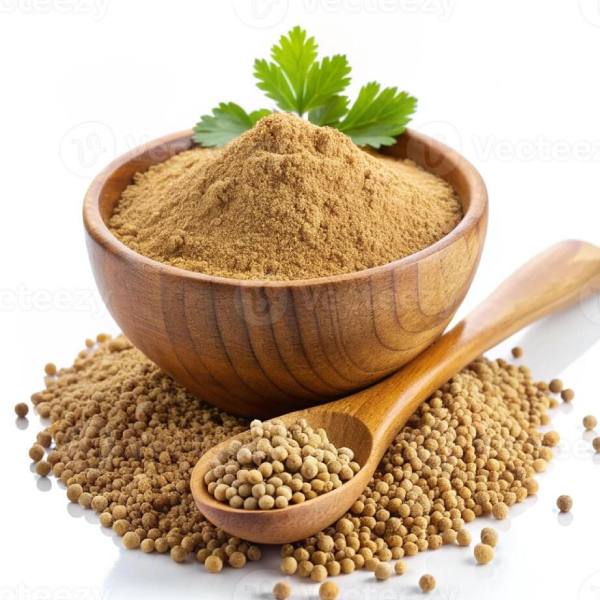
Coriander refers to the dried seeds of the plant. It has a warm, nutty and slightly citrus flavor. These seeds are used in curries, spice blends, pickles, and baking for a number of health benefits like better digestion and better metabolism. They are very nutrient-rich and used in Ayurvedic remedies for stomach and gut health.
3. Moroccan Coriander
Moroccan coriander seeds are slightly larger, lighter in color, and more citrusy than the Indian variety. It is known for its strong aroma and quick roasting. They are predominantly used in Middle Eastern, Mediterranean, and North African cuisines.
4. Indian Coriander
Indian coriander seeds are smaller, darker, and highly aromatic with stronger flavor. Indians prefer to use it in curries, lentils, pickles, and as a whole masala tadka. They form a key part of Indian spice blends like garam masala and sambar powder. Indian coriander supports digestion, appetite, and adds depth to savory dishes.
5. Vietnamese Cilantro
Vietnamese cilantro, also called Rau Ram, has a spicy, peppery, and slightly lemony flavor. It is a bit stronger than regular cilantro. It’s used in Vietnamese soups, salads, rolls, and noodle dishes. It thrives in humid climates and adds bold, refreshing flavor to Southeast Asian cuisine.
How to incorporate coriander into your diet
Coriander can be incorporated into the diet in multiple forms. One can enjoy fresh leaves in salads, chutneys, soups, and garnishes. Seeds can be used in curries, spice blends, and pickles. Coriander water can also be taken for digestion. Ground coriander blends well into dips, sauces, herbal teas, and detox drinks.
Benefits of Coriander for hair
Coriander has a long list of benefits for hair. It supports hair health with a better scalp circulation, almost zero dandruff, and strong hair follicles. Its antioxidants help to reduce hair fall, while its vitamins and minerals nourish hair roots. Coriander seeds or leaves also support overall scalp and hair vitality.
What is coriander called in different languages
Coriander in Hindi
Coriander in Hindi is called Dhaniya (धनिया).
Coriander in Tamil
Coriander in Tamil is called Kothamalli (கொத்தமல்லி).
Coriander in Telugu
Coriander in Telugu is called Kothimeera (కొత్తిమీర).
Coriander in Kannada
Coriander in Kannada is called Kottambari Soppu (ಕೋತ್ತಂಬರಿ ಸೊಪ್ಪು).
Coriander in Bengali
Coriander in Bengali is called Dhoney Pata (ধনেপাতা) or Dhone (ধনে).
Coriander HSN code
The HSN code for coriander varies based on its form:
- 090921 – Coriander seeds that are not crushed or ground
- 090922 – Coriander seeds that are crushed or ground

 Get Price On WhatsApp